Social Profile

Lasik and Vision Correction
What is LASIK & Vision Correction?

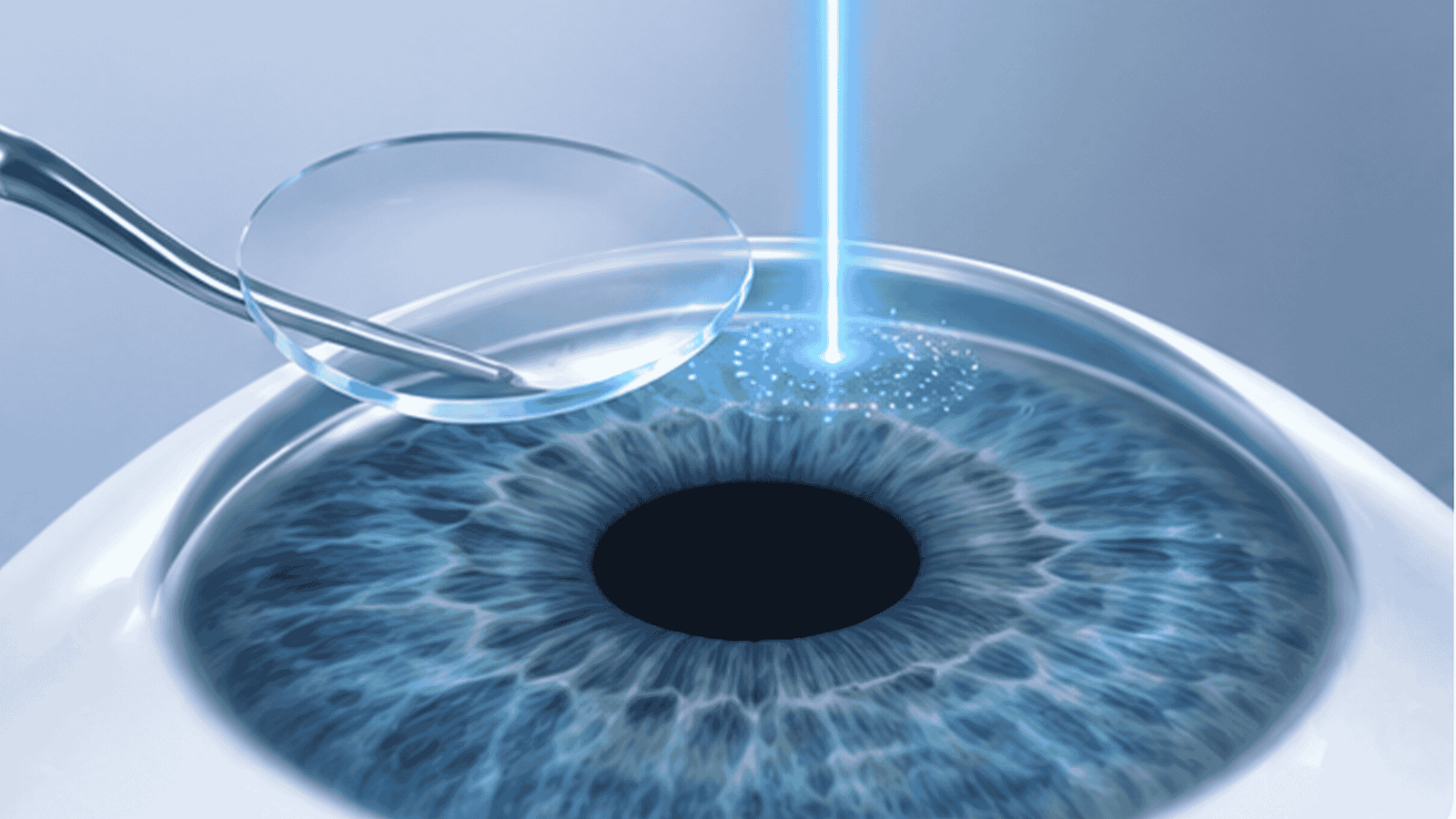
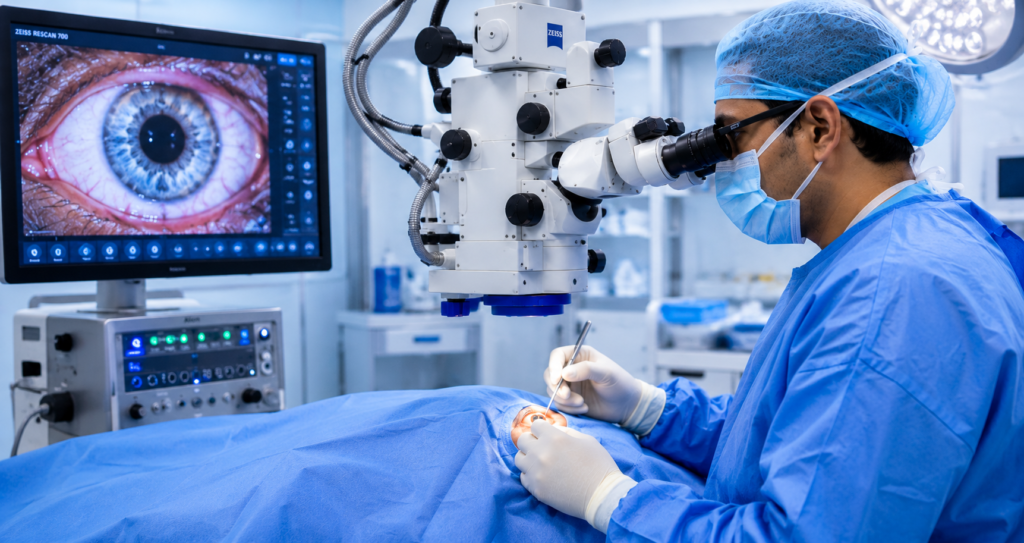
LASIK (Laser-Assisted In Situ Keratomileusis) is a safe and advanced laser eye surgery designed to correct common vision problems such as myopia (nearsightedness), hyperopia (farsightedness), and astigmatism. By gently reshaping the cornea, LASIK helps light focus correctly on the retina, providing clearer vision and reducing or eliminating the need for glasses or contact lenses.

Freedom from Glasses

Enjoy clear, natural vision and reduce dependence on glasses or contact lenses.

Advanced Blade-Free LASIK

State-of-the-art femtosecond laser technology for greater precision, safety, and comfort.

Personalized Vision Correction

Treatment tailored to your unique eye condition, vision needs, and lifestyle for precise and effective results.

Quick Visual Recovery

Experience clearer vision and a faster return to your everyday activities after suitable laser vision correction.

Types of LASIK & Vision Correction

Modern vision correction offers different laser and surgical options based on your eye condition, prescription, corneal health, and lifestyle. A detailed eye evaluation helps determine the most suitable treatment for you.

LASIK

LASIK

LASIK reshapes the cornea using an excimer laser to correct refractive errors such as myopia, hyperopia, and astigmatism, reducing dependence on glasses or contact lenses.
Femto LASIK

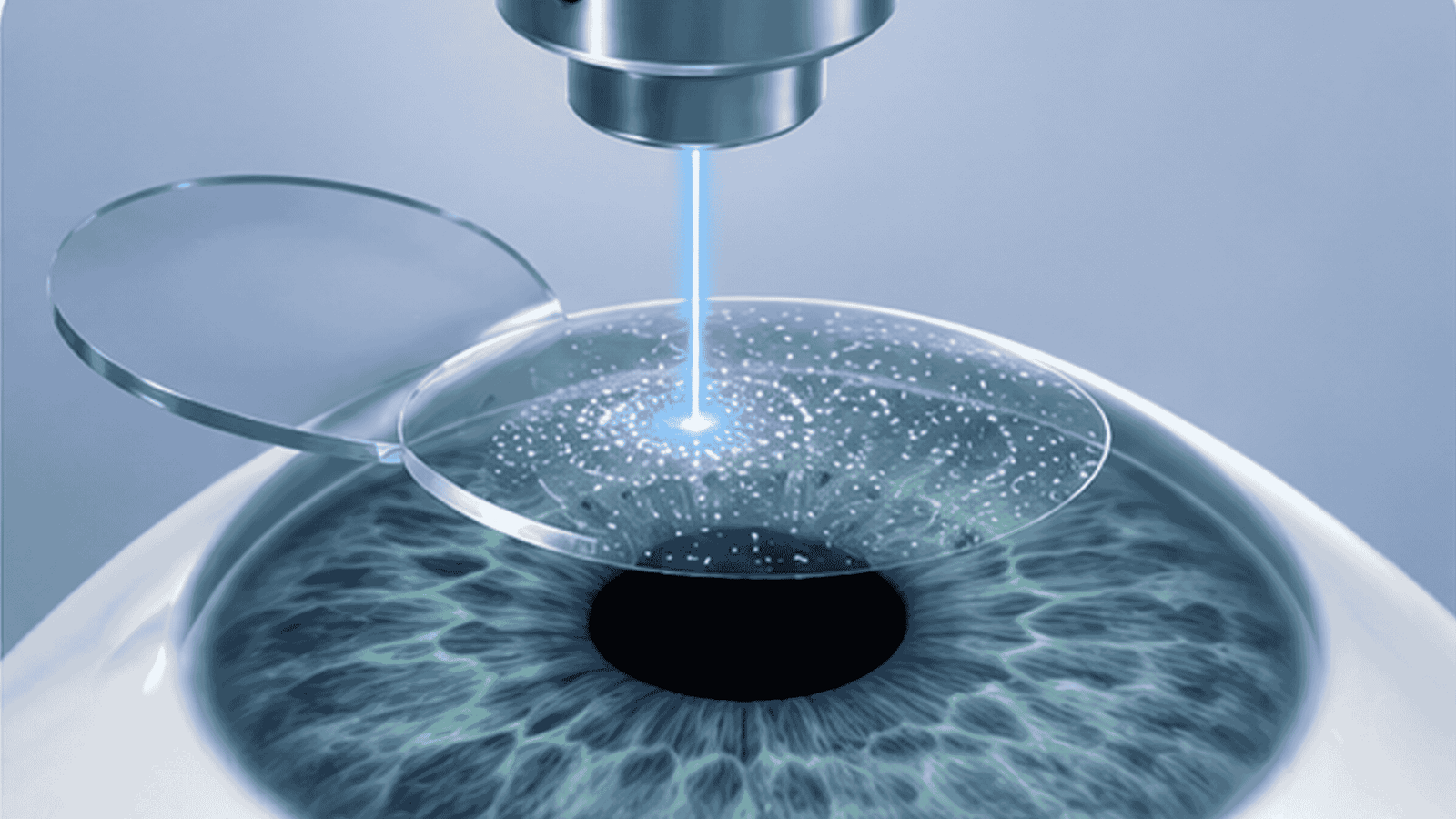
Femto LASIK uses a femtosecond laser to create the corneal flap, offering a precise, blade-free approach to laser vision correction.
PRK

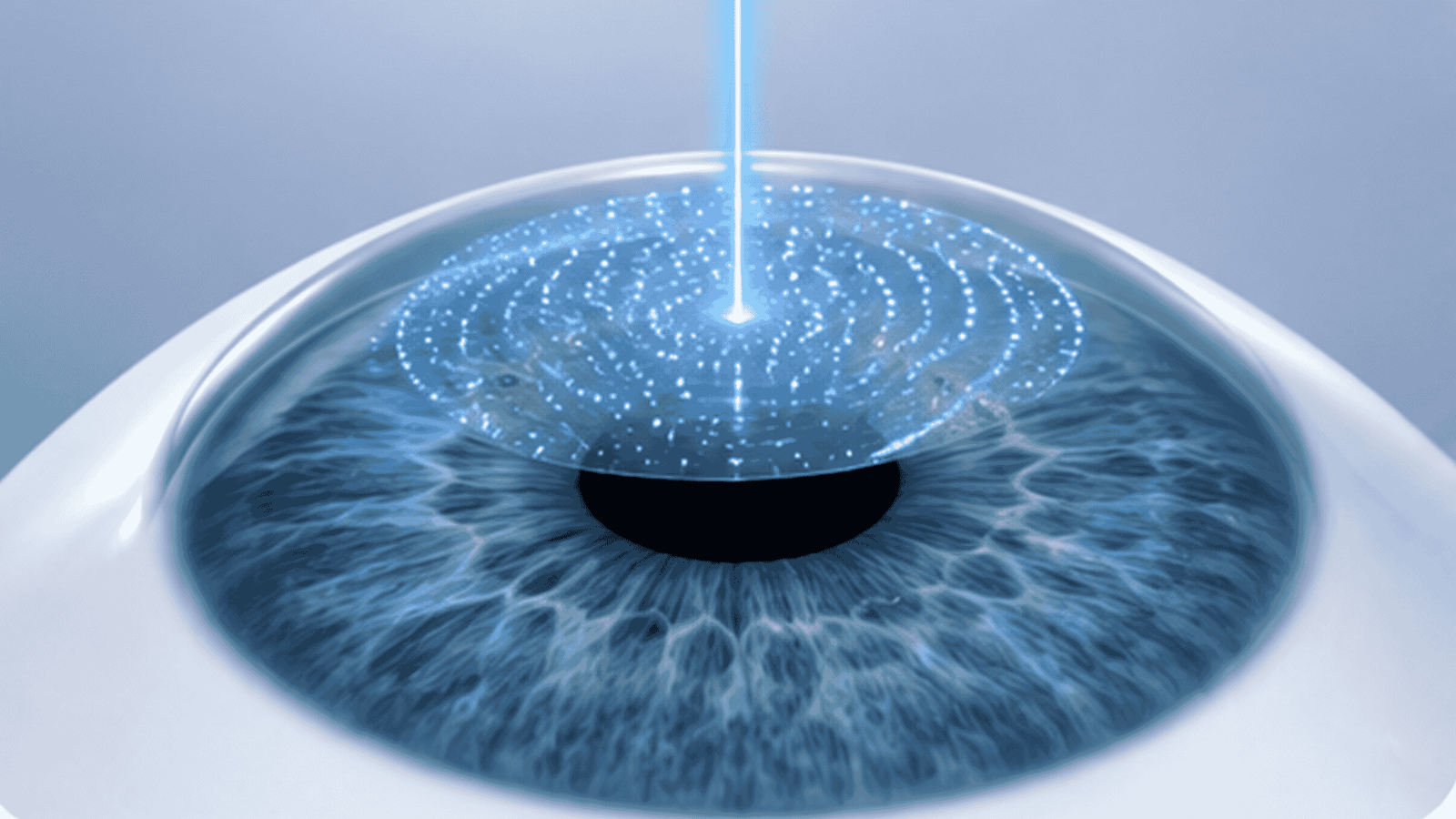
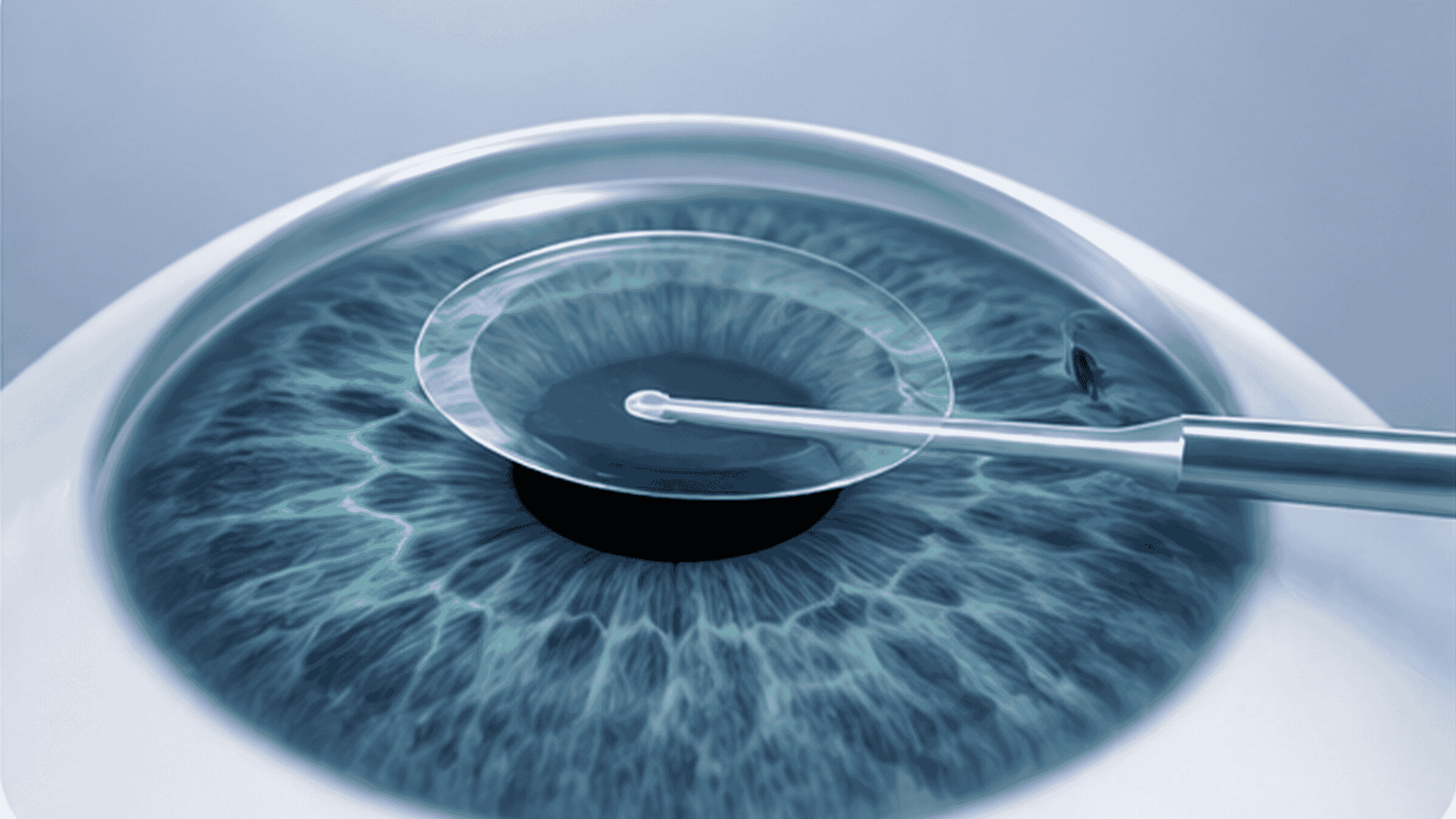
PRK is a surface laser vision correction procedure that reshapes the cornea without creating a traditional corneal flap. It may be considered for certain patients based on their eye structure.
SMILE

SMILE is a minimally invasive laser procedure that uses a femtosecond laser to correct certain types of myopia and astigmatism through a small corneal incision.
Symptoms of Lasik And Correction

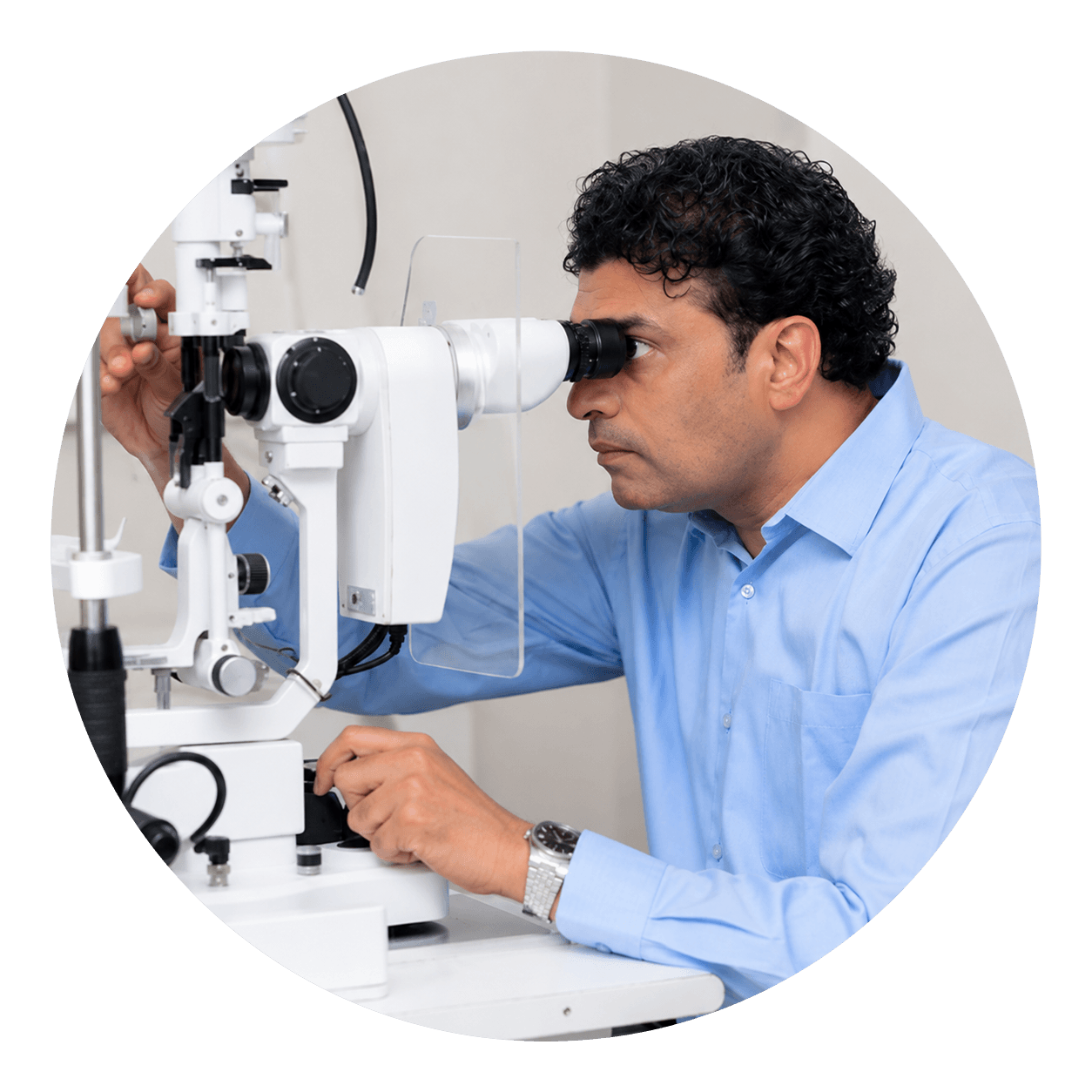
LASIK and vision correction treatments are designed to improve clarity of vision and reduce dependence on glasses or contact lenses. Using advanced laser technology, procedures such as LASIK reshape the cornea to correct refractive errors including myopia, hyperopia, and astigmatism. A comprehensive eye evaluation helps determine the safest and most suitable treatment for each patient

Advanced LASIK & Vision Correction at Deshpande Eye Hospital

At Deshpande Eye Hospital, we combine advanced laser technology, precise diagnostics, and personalized treatment planning to provide safe and effective vision correction.

Advanced Corneal Mapping

Wavefront-Guided Technology

Femtosecond Laser Technology

Excimer Laser Precision

Digital Eye Measurements
  Frequently Asked Questions


Who is a suitable candidate for LASIK?

LASIK suitability depends on factors such as your age, prescription stability, corneal thickness and shape, overall eye health, and other medical factors. A comprehensive eye examination is required to determine whether LASIK is appropriate for you.

LASIK is commonly used to correct myopia (nearsightedness), hyperopia (farsightedness), and astigmatism. The amount that can be corrected varies from person to person.

LASIK is generally performed using numbing eye drops, so patients typically do not feel significant pain during the procedure. Some people may experience temporary irritation, watering, light sensitivity, or a gritty sensation afterward.

The laser treatment itself is usually very brief, although the complete appointment including preparation and post-procedure checks takes longer. Your eye specialist will explain the expected timing during your consultation.

Vision can improve quickly after LASIK, but recovery varies between individuals. Some patients notice useful visual improvement soon after treatment, while vision may continue to stabilize during the following days or weeks.

LASIK can significantly reduce dependence on glasses or contact lenses for suitable candidates, but it cannot guarantee that you will never need glasses again. Some patients may still require glasses for specific activities or as their eyes change with age.

Femto LASIK is a type of LASIK in which a femtosecond laser is used to create the corneal flap instead of a mechanical blade. The remaining laser vision-correction steps are then performed according to the patient’s treatment plan.

Both procedures reshape the cornea using an excimer laser, but they differ in how the cornea is accessed. LASIK creates a corneal flap, whereas PRK is a surface procedure without a traditional corneal flap. The appropriate option depends on individual eye characteristics.

Some patients may experience temporary dry eyes, glare, halos, light sensitivity, fluctuating vision, or difficulty with night vision. Less common complications can also occur, which is why proper screening and follow-up are important.

LASIK is generally considered safe for appropriately selected patients, but like any surgical procedure, it has potential risks and limitations. A detailed examination and discussion with an ophthalmologist are important before deciding on treatment.

Book Your Appointment Now!!

    Contacts