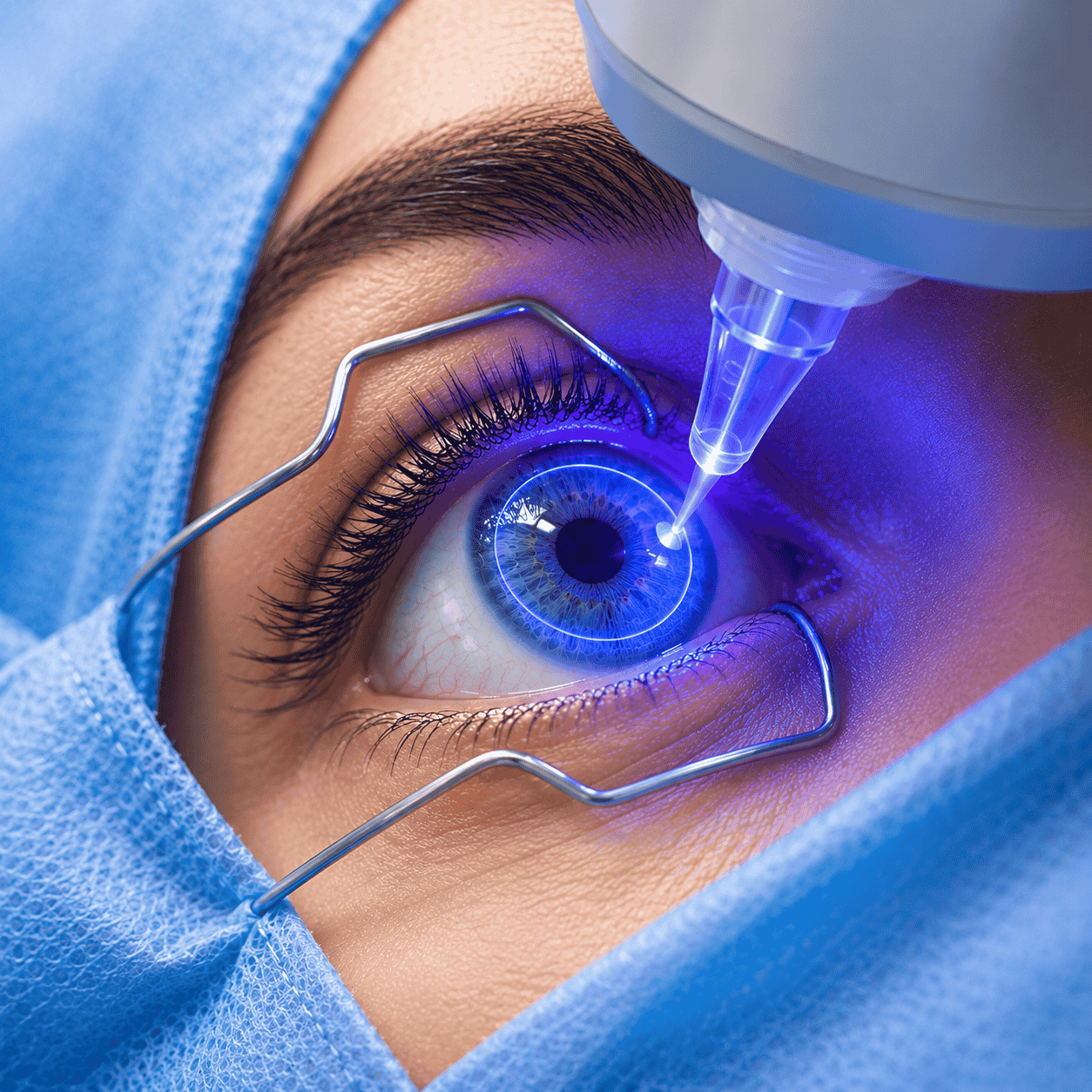
WHAT IS THE CORNEA?
The cornea is the clear, dome-shaped outer layer at the front of the eye. Along with the lens inside the eye, it helps focus incoming light onto the retina, allowing us to see clearly. Because the cornea is directly exposed to the environment, it can be affected by infections, injuries, inflammation, abnormal corneal shape, degenerative conditions, and other ocular surface problems.
Keratoconus
Keratoconus is a progressive condition in which the cornea becomes thinner and gradually develops an irregular, cone-like shape.
Keratitis
Keratitis is inflammation of the cornea and can result from infections, including contact-lens-related infections.
Corneal Ulcer
A corneal ulcer is an open sore on the cornea that can occur due to infection or injury. It can threaten vision and requires prompt medical evaluation.
Pterygium
Pterygium is a wing-shaped growth of tissue on the eye surface that can extend onto the cornea. Larger or symptomatic pterygium may affect vision or cause irritation.
Types of Corena
Modern vision correction offers different laser and surgical options based on your eye condition, prescription, corneal health, and lifestyle. A detailed eye evaluation helps determine the most suitable treatment for you.
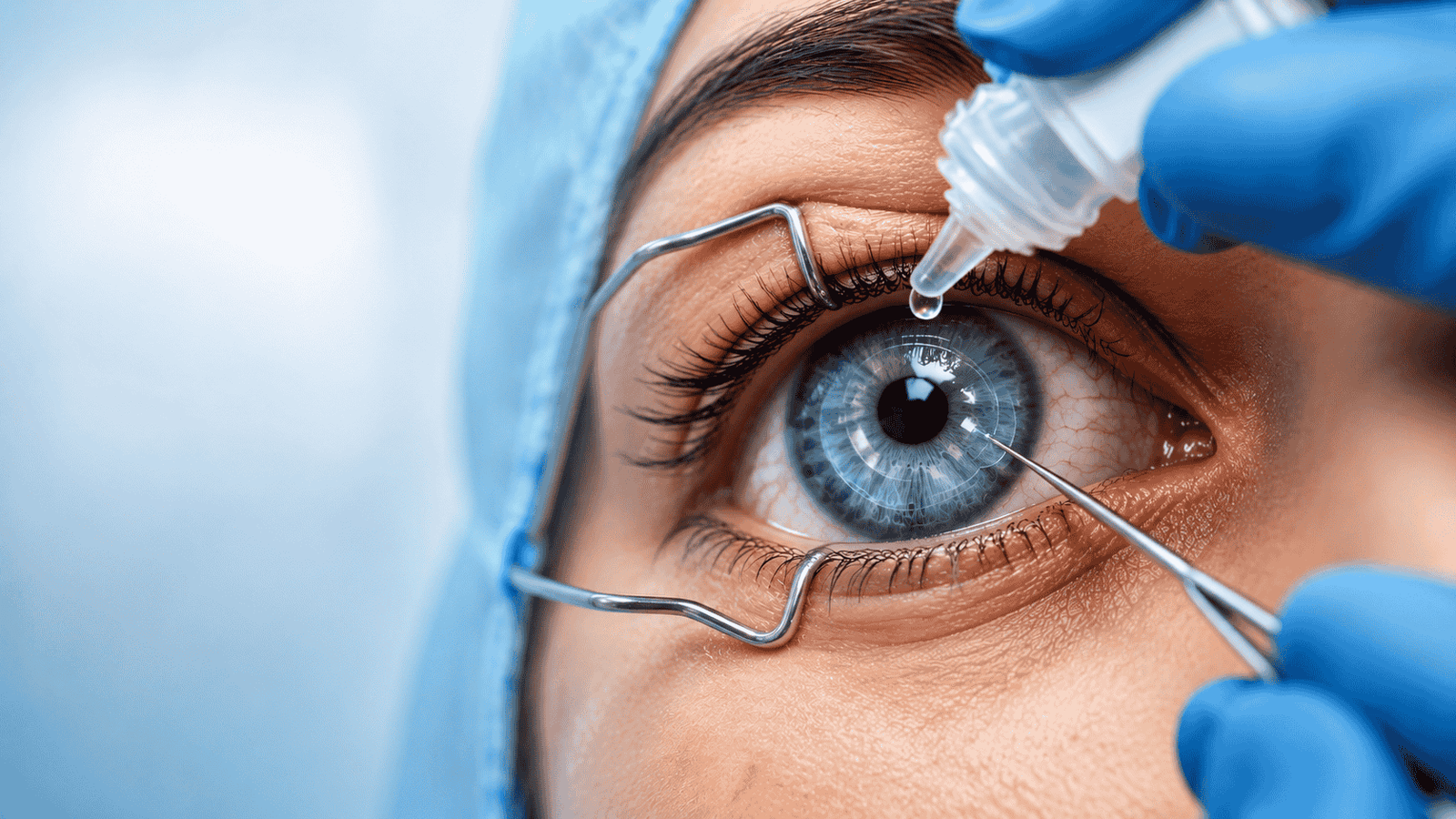
Medical Corneal Treatment
Prescription eye drops or other medicines may be used for selected infections, inflammation, and ocular surface conditions.

Specialized Contact Lenses
Certain corneal conditions, particularly irregular corneal shapes, may be managed with specialized contact lenses to improve vision.
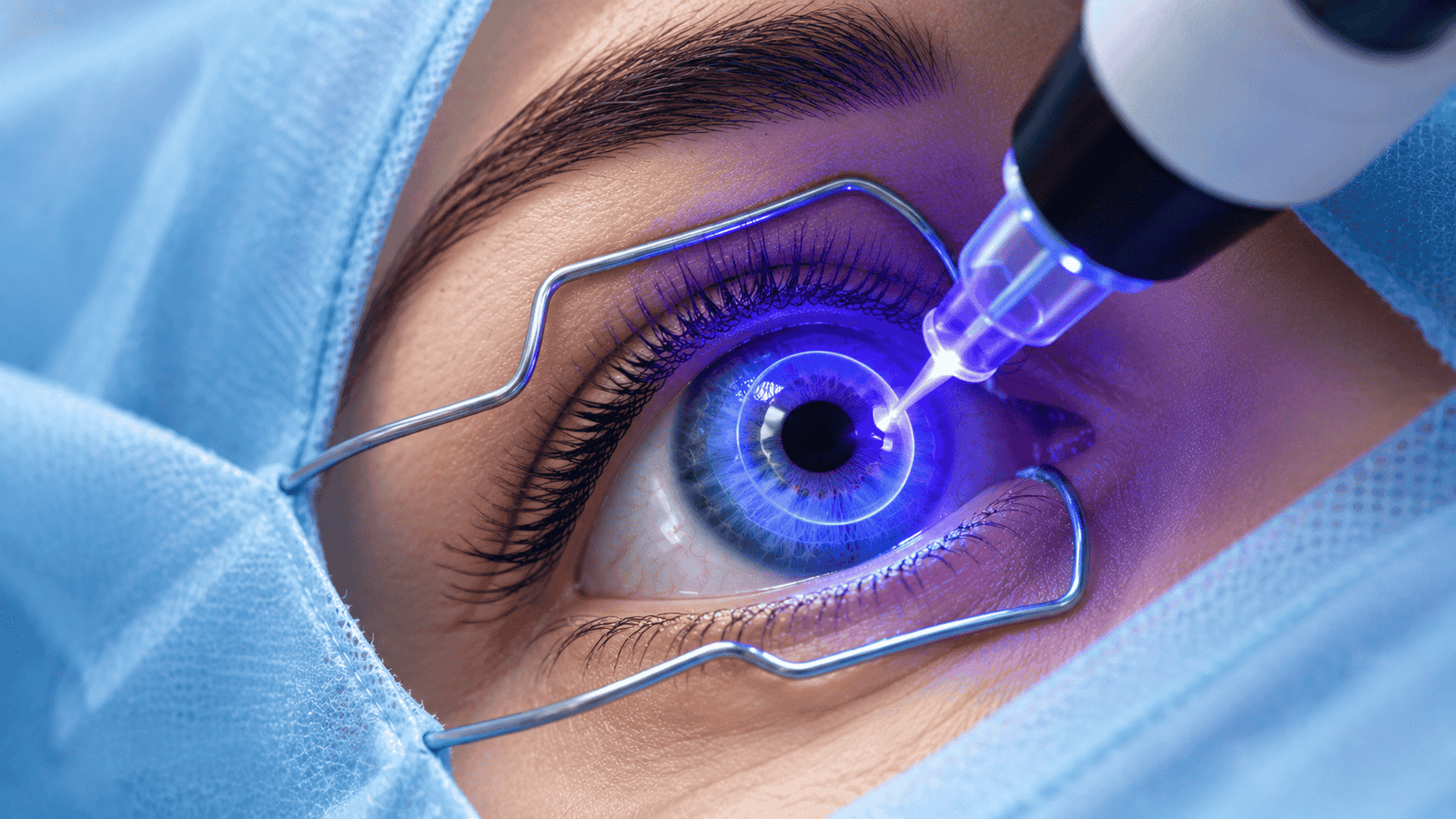
Corneal Cross-Linking
A treatment that strengthens the cornea and helps slow the progression of keratoconus.
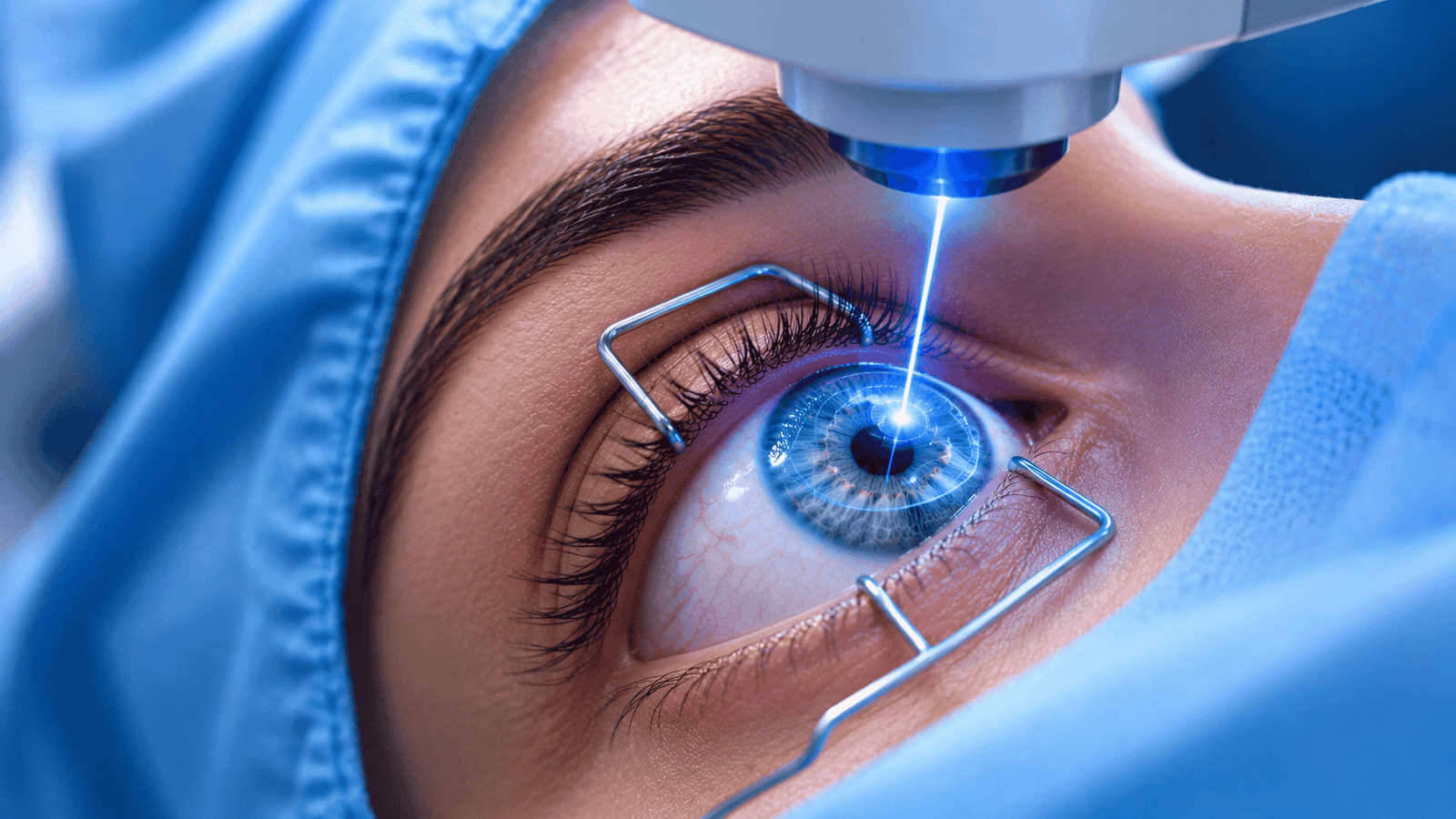
Corneal Laser Treatment
Laser procedures can treat selected corneal surface problems, scars, and abnormalities to improve corneal health and vision.
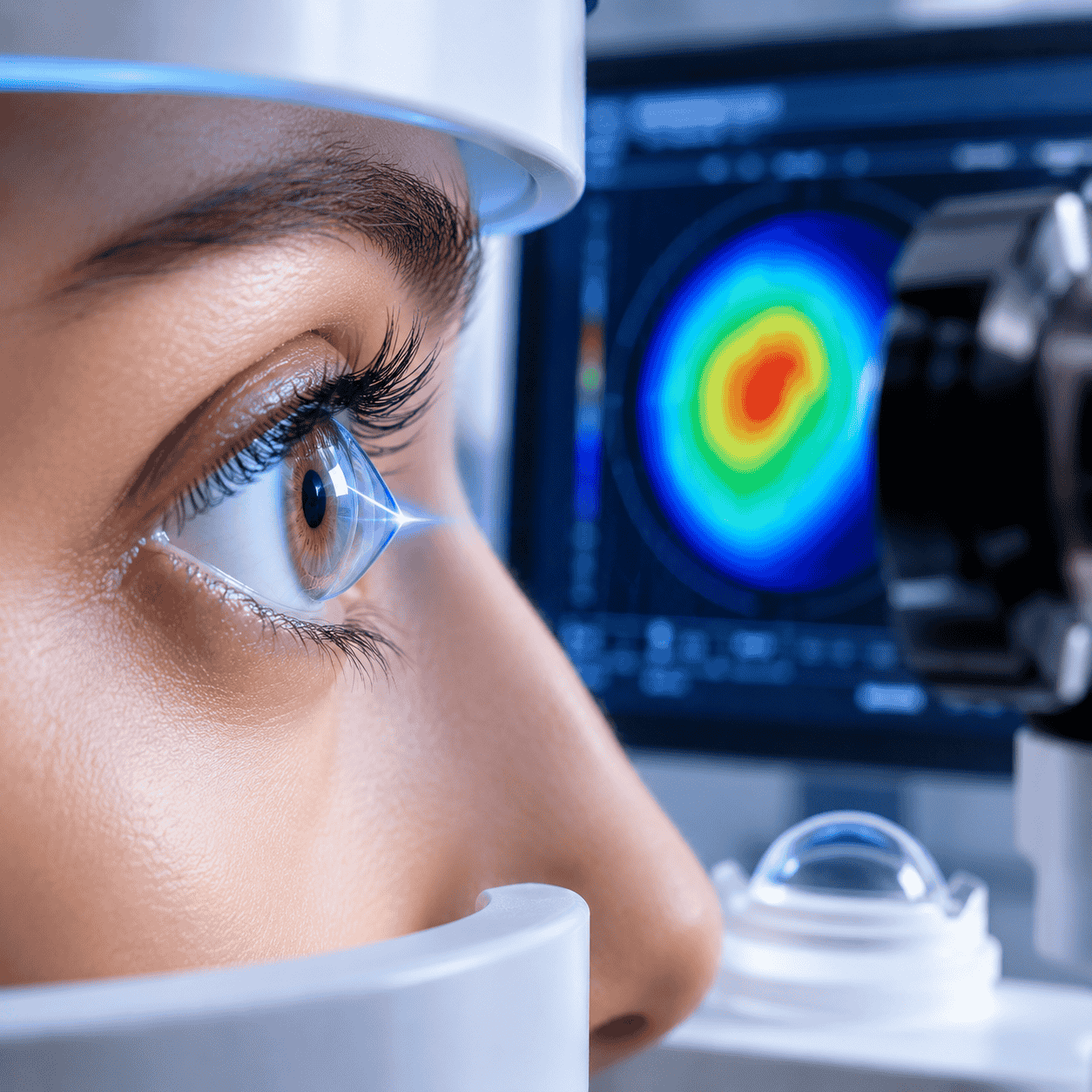
Symptoms of Corneal Problems
LASIK and vision correction treatments are designed to improve clarity of vision and reduce dependence on glasses or contact lenses. Using advanced laser technology, procedures such as LASIK reshape the cornea to correct refractive errors including myopia, hyperopia, and astigmatism. A comprehensive eye evaluation helps determine the safest and most suitable treatment for each patient
Blurred Vision
Changes in corneal shape or clarity can make vision appear blurred or distorted.Eye Pain
Corneal inflammation, infection, or injury can cause eye pain or discomfort.Red or Watery Eyes
Corneal irritation can cause redness, watering, and discomfort.Light Sensitivity
Some corneal conditions may cause increased sensitivity to light.Foreign Body Sensation
You may feel as though something is stuck or scratching the surface of your eye.Distorted Vision
Irregularities in the cornea can cause distorted images, glare, or difficulty seeing clearly.Advanced Corneal Care at Deshpande Eye Hospital
Comprehensive diagnosis and personalized care for corneal conditions using advanced evaluation and treatment approaches.
Keratoconus Care
Corneal Cross-Linking
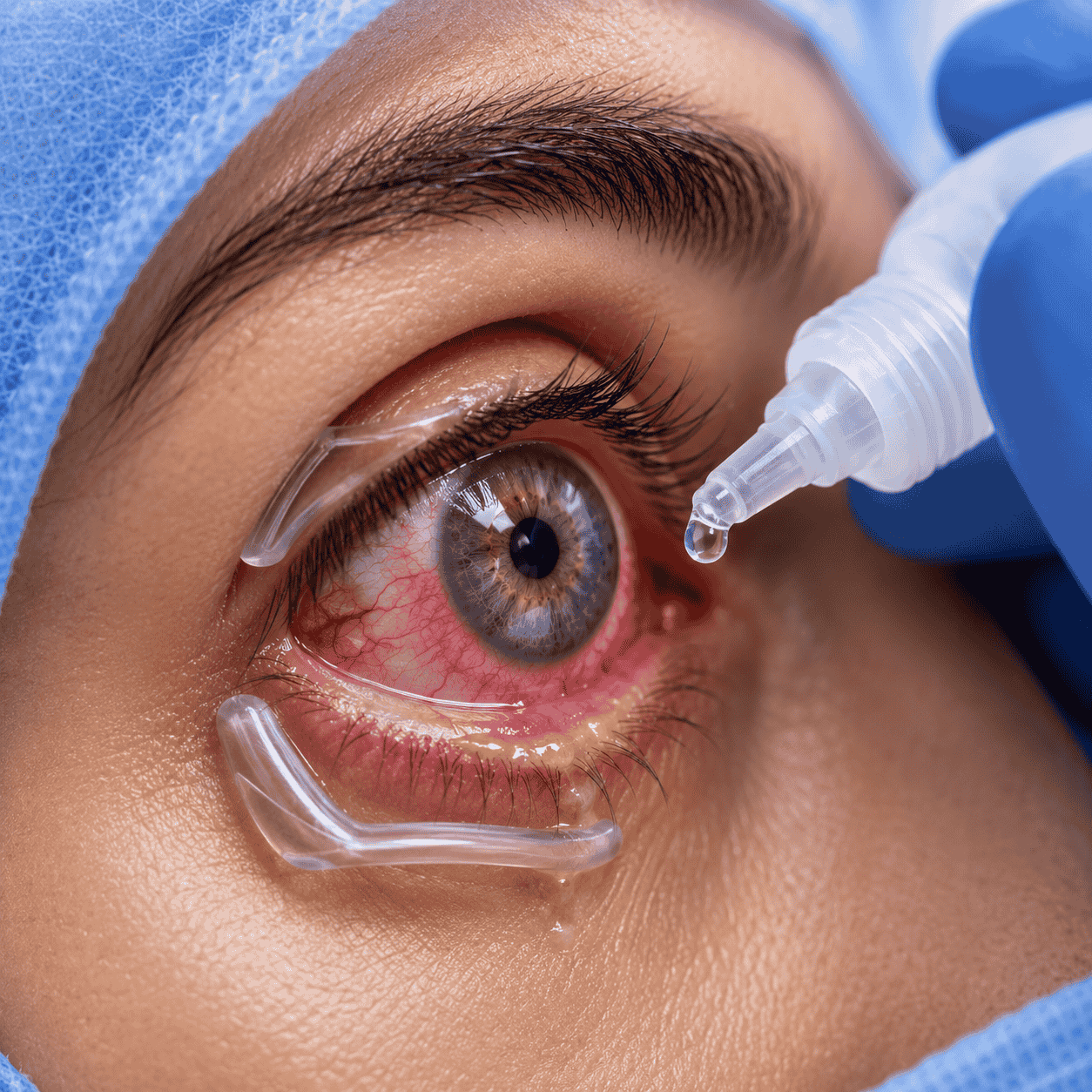
Corneal Infection Treatment
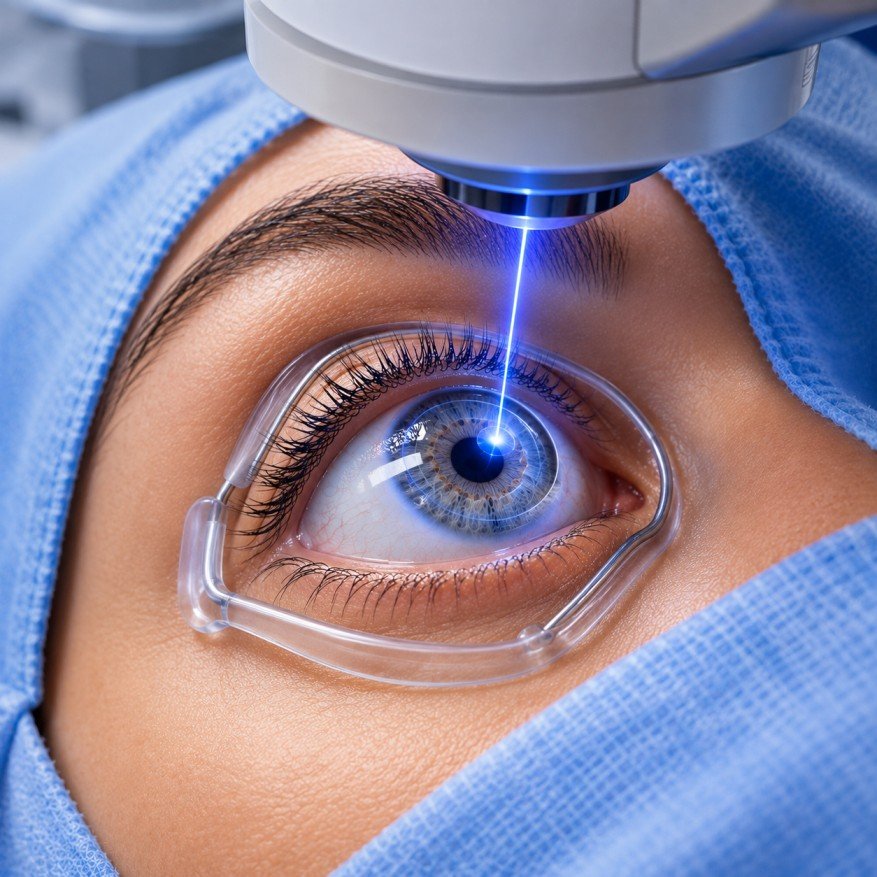
Corneal Laser Treatment
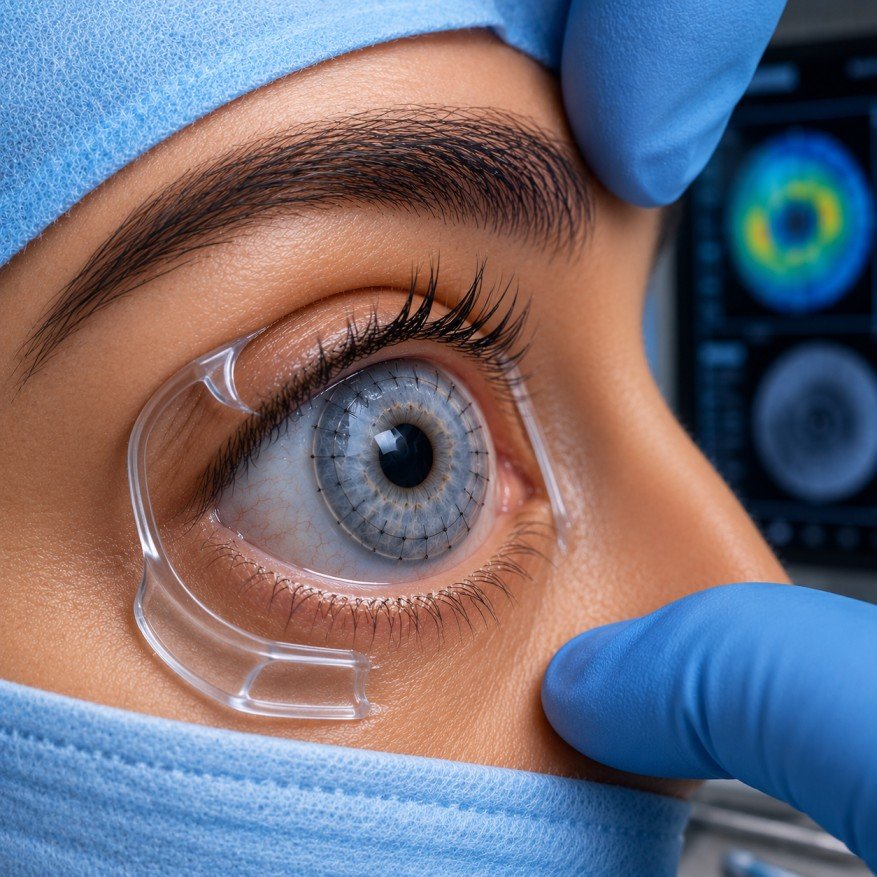
Corneal Transplant Care
Frequently Asked Questions
What are the common corneal diseases?
Common corneal conditions include keratoconus, keratitis and corneal infections, corneal ulcers, corneal injuries and scars, corneal dystrophies, dry-eye-related corneal problems, and pterygium.
What is keratoconus?
Keratoconus is a condition in which the cornea becomes progressively thinner and develops an irregular, cone-like shape. This can cause blurred, distorted, or changing vision and astigmatism.
What are the treatment options for keratoconus?
Depending on the severity and progression, treatment may include glasses, specialized contact lenses, corneal cross-linking, and, in advanced cases, corneal transplantation.
What is corneal cross-linking?
Corneal cross-linking is a minimally invasive treatment designed to strengthen the corneal tissue and help prevent progression of conditions such as keratoconus.
Can corneal cross-linking cure keratoconus?
Cross-linking is primarily intended to stabilize the cornea and slow or prevent further progression. It does not simply reverse every change caused by keratoconus, so the suitability of treatment depends on individual examination findings.
How are corneal diseases diagnosed?
A cornea evaluation may include a comprehensive eye examination, slit-lamp examination, corneal shape and thickness assessment, and other imaging or tests depending on the suspected condition.
Can a corneal infection affect vision?
Yes. Corneal infections such as keratitis can cause inflammation, corneal scarring, and vision problems if not treated appropriately. Contact-lens-related infections are an important cause of keratitis.
What is the treatment for a corneal infection?
Treatment depends on the cause and may involve prescription medications such as antibiotic, antiviral, or antifungal treatment. Prompt examination is important because some corneal infections can progress quickly.
Can a corneal scar affect vision?
Yes. Corneal infections such as keratitis can cause inflammation, corneal scarring, and vision problems if not treated appropriately. Contact-lens-related infections are an important cause of keratitis.
When is a corneal transplant required?
A corneal transplant may be considered when significant corneal damage or disease cannot be adequately managed with other treatments. Depending on which part of the cornea is affected, a full-thickness or partial-thickness transplant may be appropriate.