Social Profile

Retina Care

WHAT IS THE RETINA?

The retina is a light-sensitive layer of tissue located at the back of the eye. It receives light entering the eye and converts it into electrical signals that are transmitted to the brain through the optic nerve, allowing us to see. The central part of the retina, called the macula, is responsible for detailed central vision needed for activities such as reading, recognizing faces, and seeing fine details. Damage or disease affecting the retina or macula can therefore have a significant impact on vision.

Diabetic Retinopathy

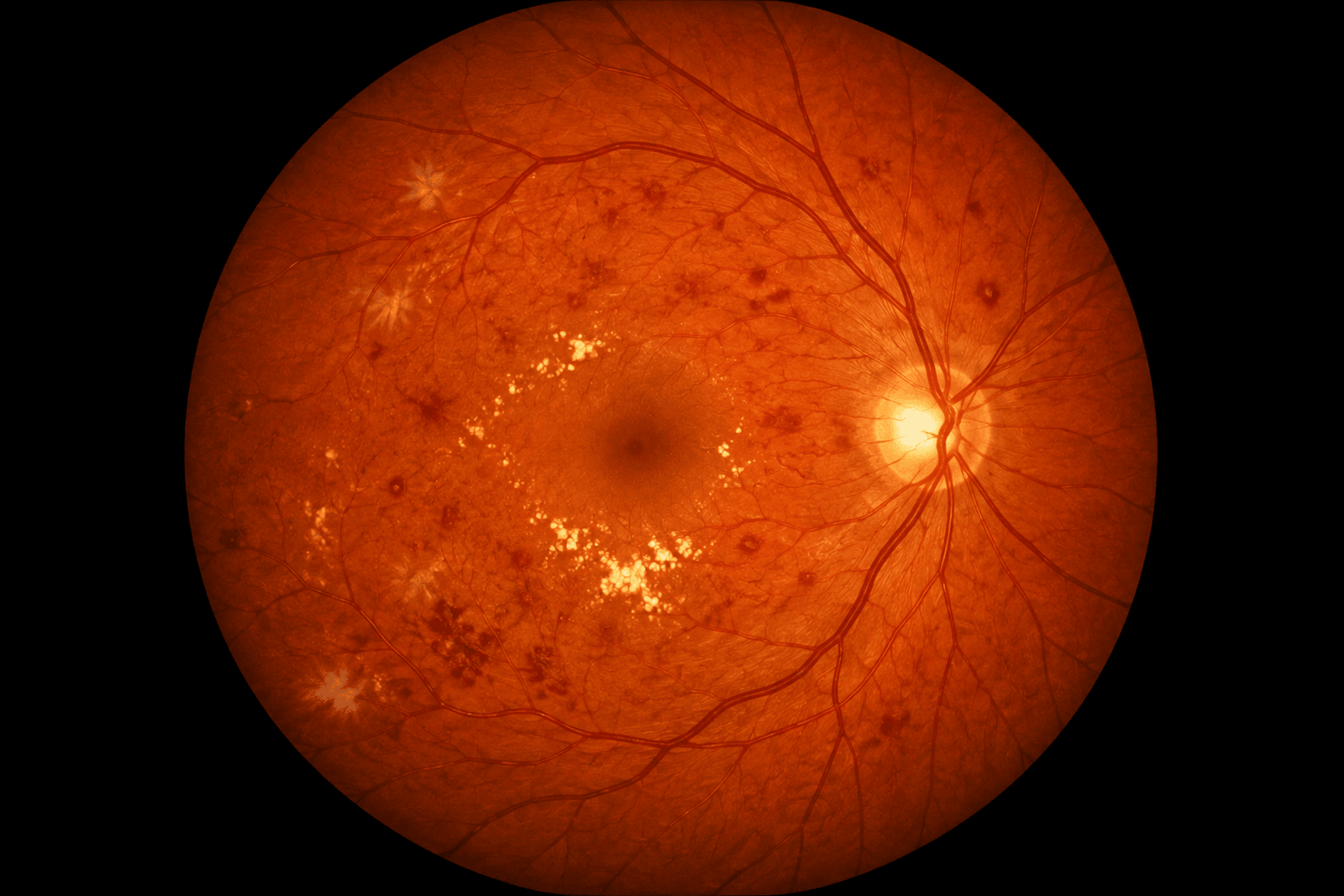
Diabetic retinopathy occurs when diabetes damages the blood vessels supplying the retina.

Diabetic Macular Edema

Diabetic macular edema occurs when fluid leaks into the macula, causing swelling that can affect sharp central vision.

Retinal Detachment

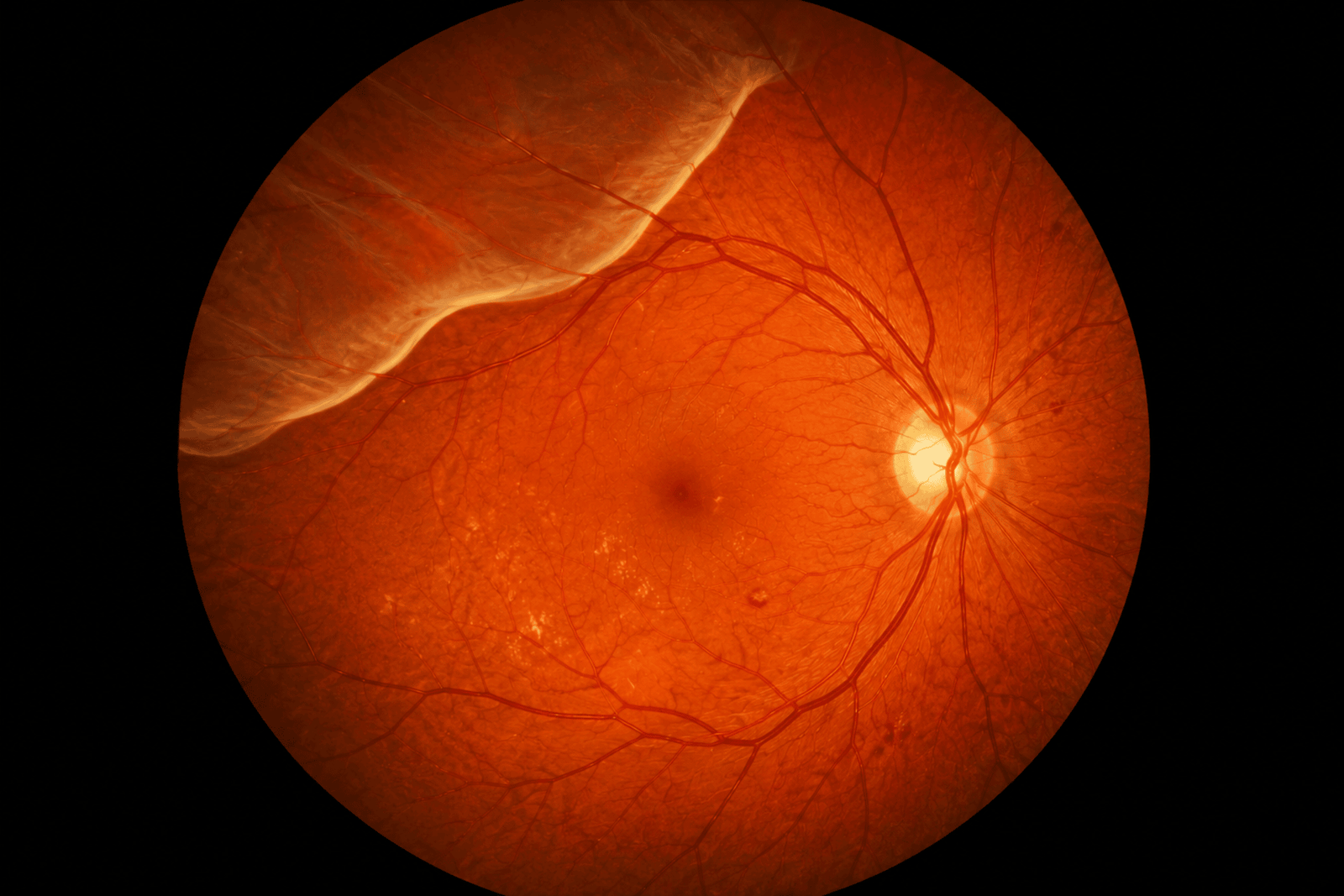
Retinal detachment occurs when the retina separates from its normal position.

Retinal Tears & Holes

A retinal tear or hole can allow fluid to pass beneath the retina and may lead to retinal detachment.

Types of Retina Care

Modern vision correction offers different laser and surgical options based on your eye condition, prescription, corneal health, and lifestyle. A detailed eye evaluation helps determine the most suitable treatment for you.

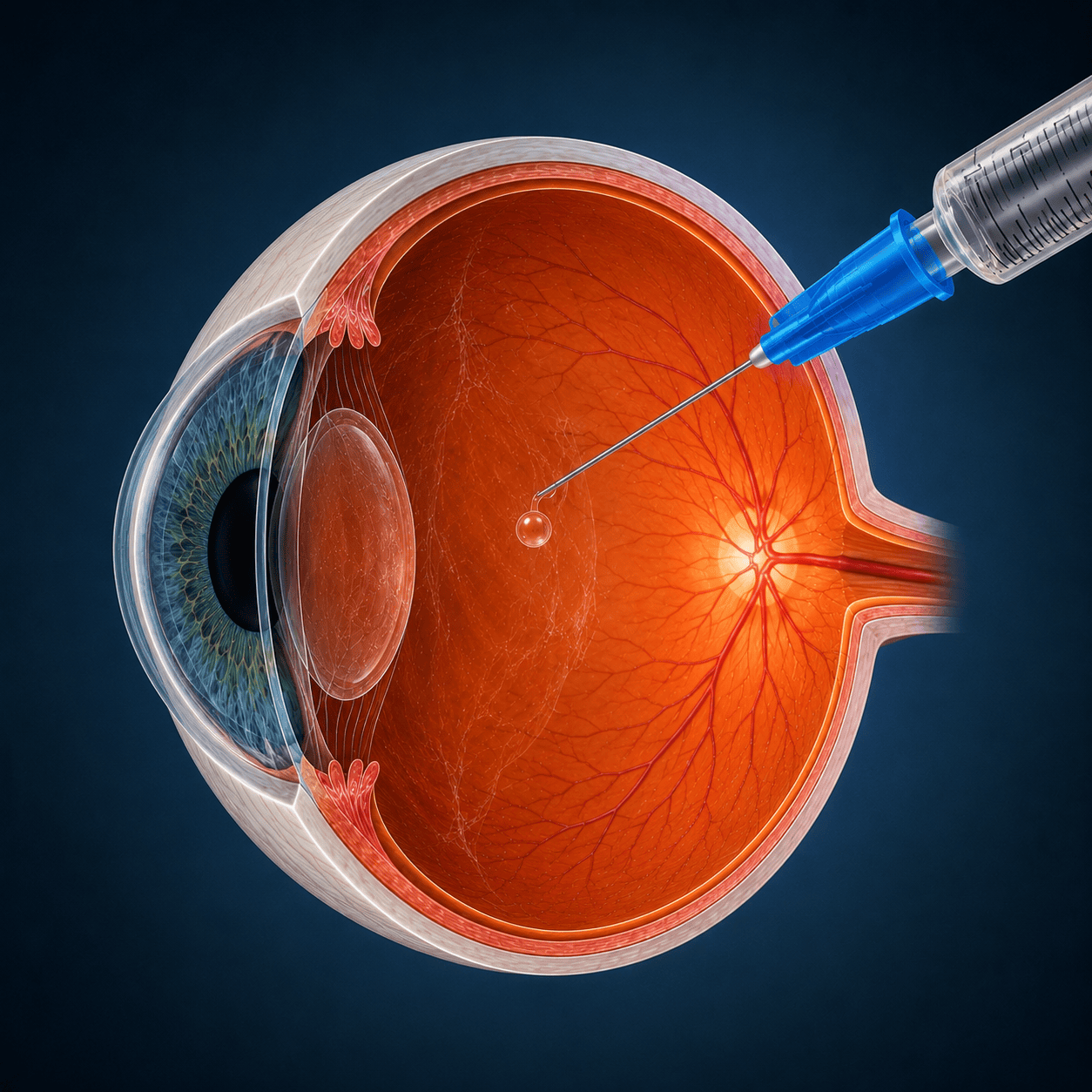
Intravitreal Injections

Diabetic Retina Care

Regular retinal evaluation helps detect diabetes-related changes in the retina. Depending on the condition, treatment may include monitoring, injections, laser treatment, or surgery.
Retinal Detachment Care

Retinal detachment requires urgent evaluation. Depending on the type and extent of detachment, treatment may involve laser or freezing treatment, pneumatic retinopexy, scleral buckle, or vitrectomy.
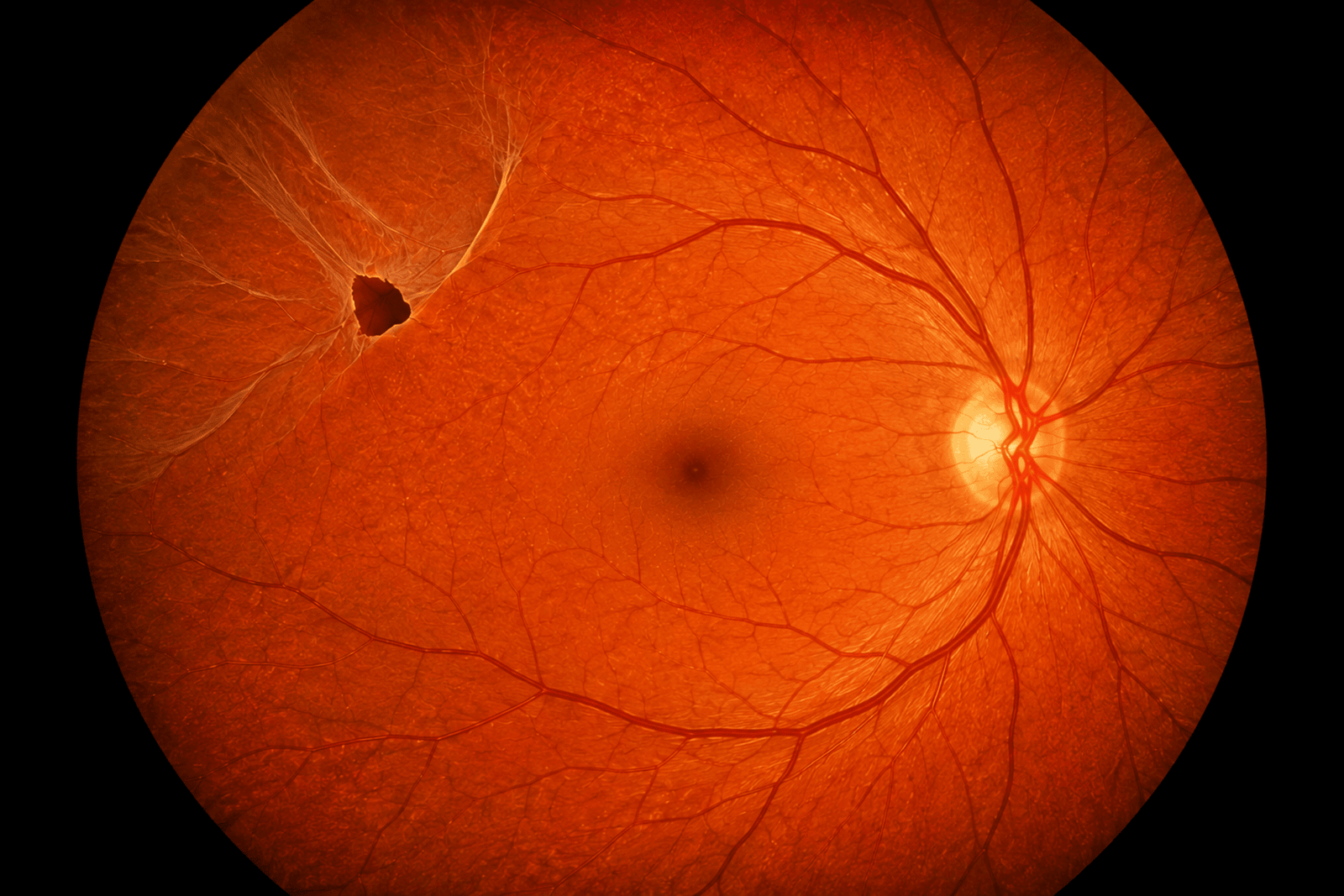
Retinal Tear & Hole Treatment

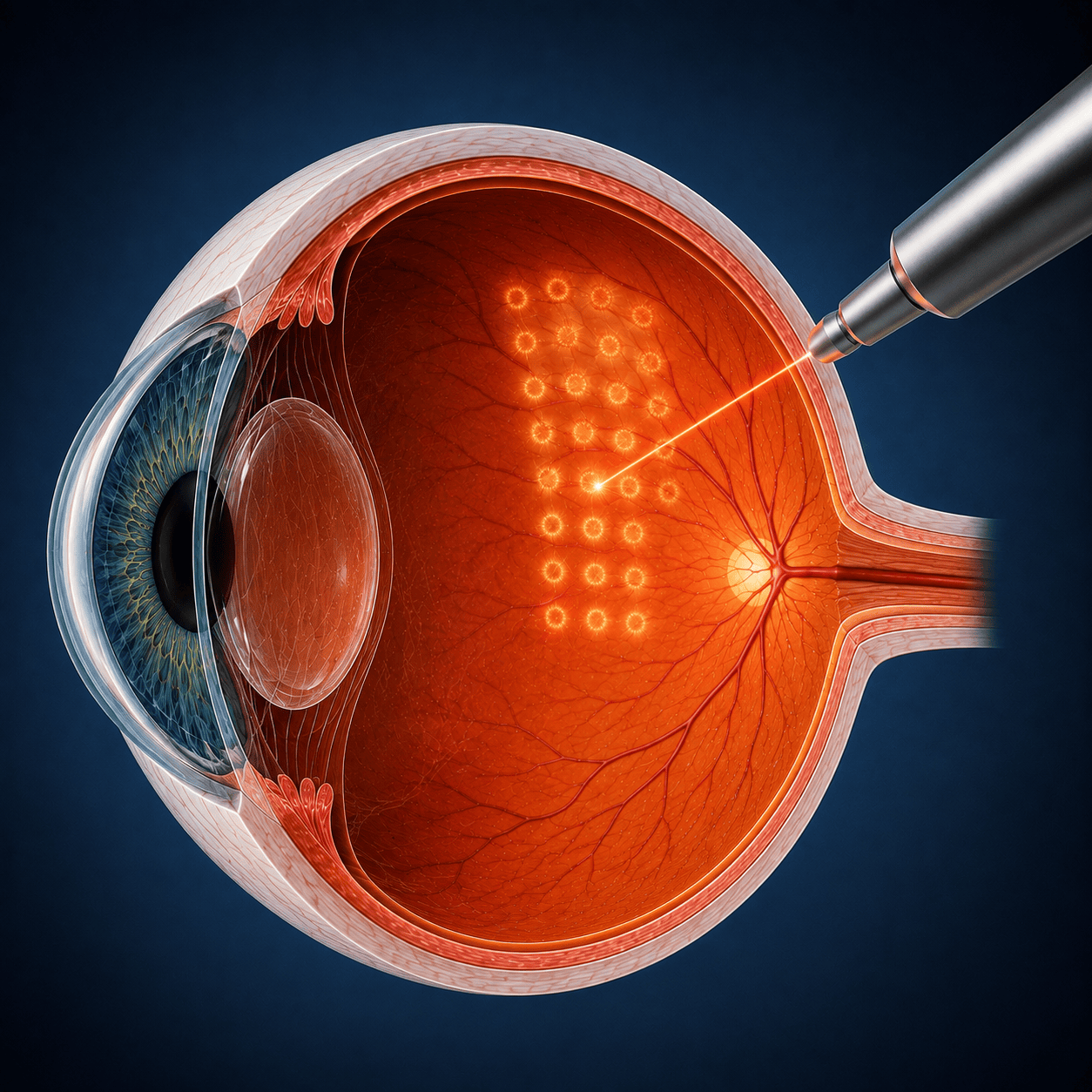
Retinal tears and holes can sometimes be treated with laser photocoagulation or cryopexy to help prevent progression to retinal detachment.
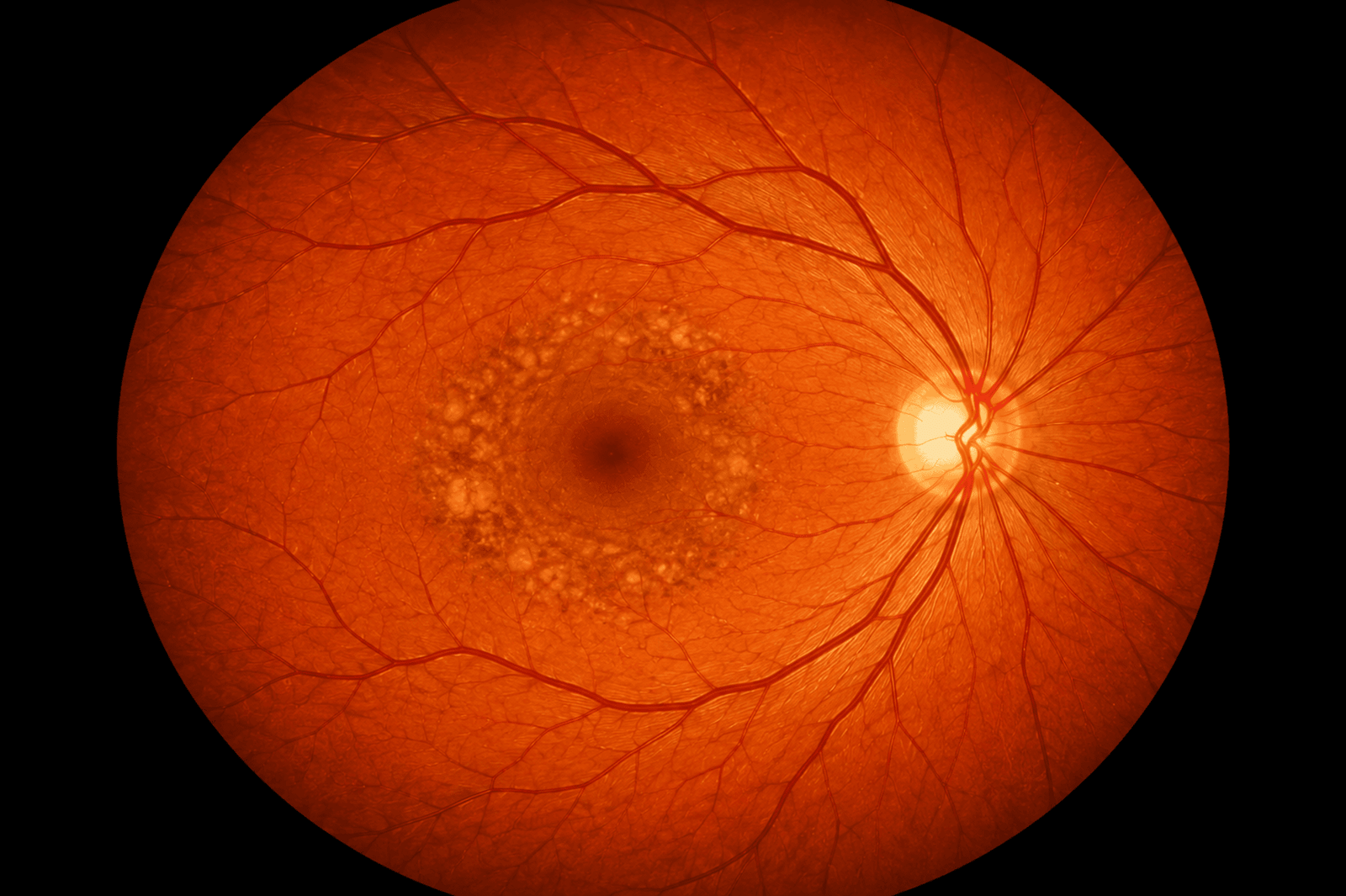
Macular Care

The macula is responsible for detailed central vision. Macular conditions can cause blurred or distorted central vision and may require specialized examination, imaging, monitoring, laser treatment, or surgery depending on the cause.
SYMPTOMS OF RETINAL PROBLEMS

Retinal conditions do not always cause symptoms in their early stages. However, sudden or noticeable changes in vision should not be ignored, particularly when they develop rapidly.

Advanced Treatment Options for Retinal Conditions
at Deshpande Eye Hospital

Treatment depends on the specific retinal condition, its severity, the part of the retina affected, and the patient’s overall eye health. Your ophthalmologist will recommend the appropriate treatment after a detailed evaluation.

Intravitreal Injections

Retinal Laser Treatment
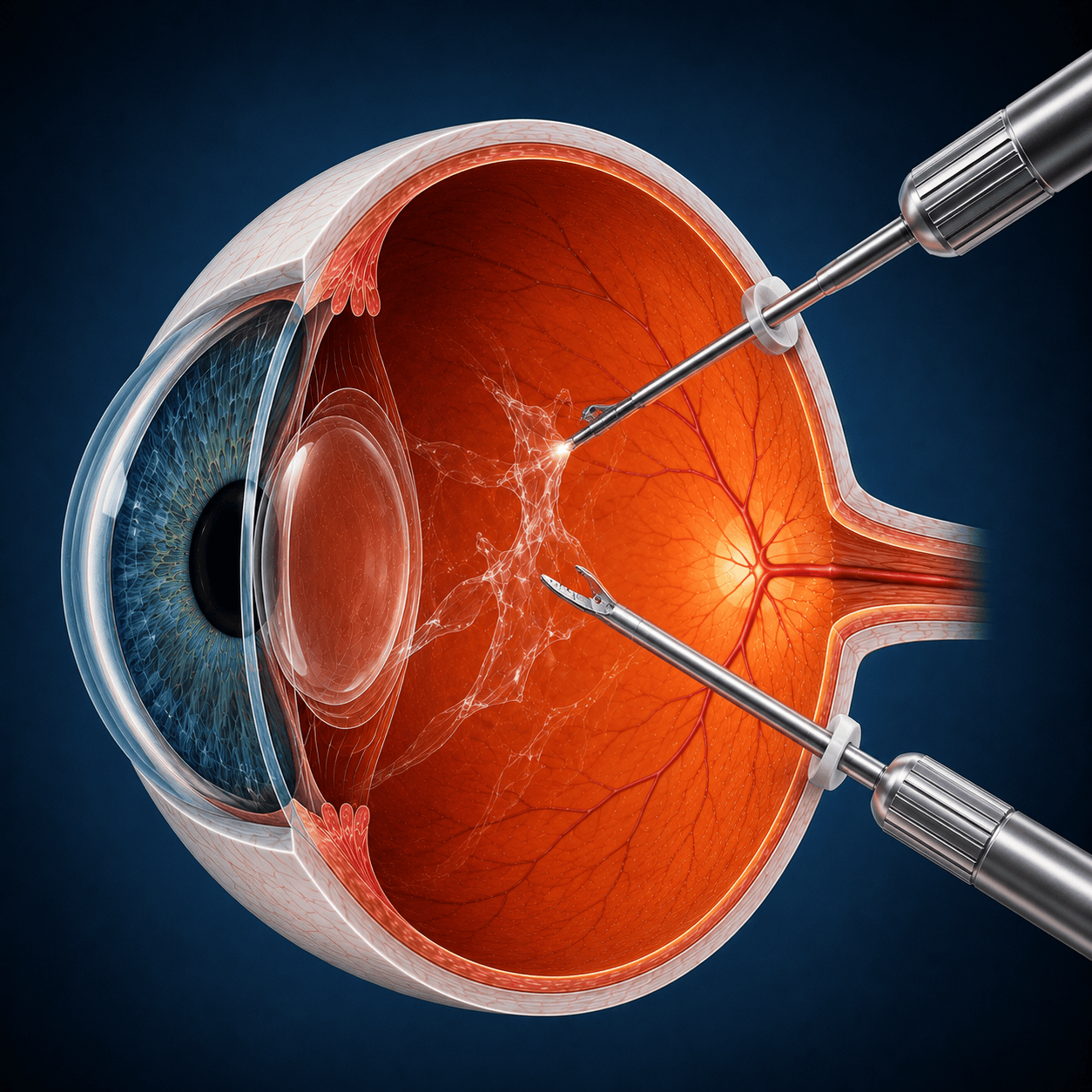
Vitrectomy Surgery
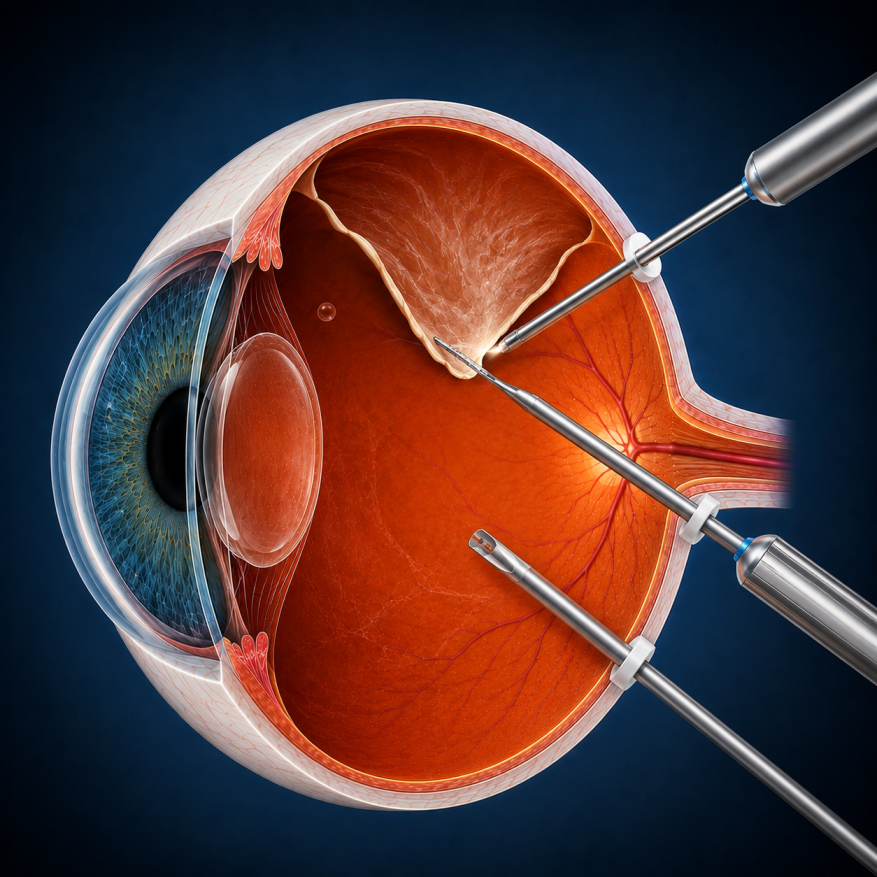
Retinal Detachment Surgery
  Frequently Asked Questions


What is the retina and why is it important?

The retina is a light-sensitive layer at the back of the eye that converts light into signals sent to the brain through the optic nerve. The macula, located in the central retina, is responsible for detailed central vision used for reading, recognizing faces, and seeing fine details.

Retinal problems may cause blurred or distorted vision, sudden increase in floaters, flashes of light, reduced central or peripheral vision, dark spots, or sudden vision loss. Some retinal conditions, particularly in their early stages, may cause few or no noticeable symptoms.

Common retinal conditions include diabetic retinopathy, diabetic macular edema, retinal tears and holes, retinal detachment, retinal vein occlusion, macular disorders, vitreous problems, and other retinal conditions. The appropriate treatment depends on the specific diagnosis and severity.

Yes. Diabetes can damage the blood vessels of the retina and cause diabetic retinopathy. It can also lead to swelling of the macula, known as diabetic macular edema. Early diabetic retinopathy may have no noticeable symptoms, so regular retinal examinations are important for people with diabetes.


Retinal detachment occurs when the retina separates from its normal position at the back of the eye. It is a medical emergency because delayed treatment can increase the risk of permanent vision loss. Treatment may involve laser procedures or surgery depending on the type and extent of the detachment.


A sudden increase in floaters, flashes of light, or a dark curtain or shadow across your vision can be warning signs of retinal detachment. These symptoms require urgent eye-care evaluation.


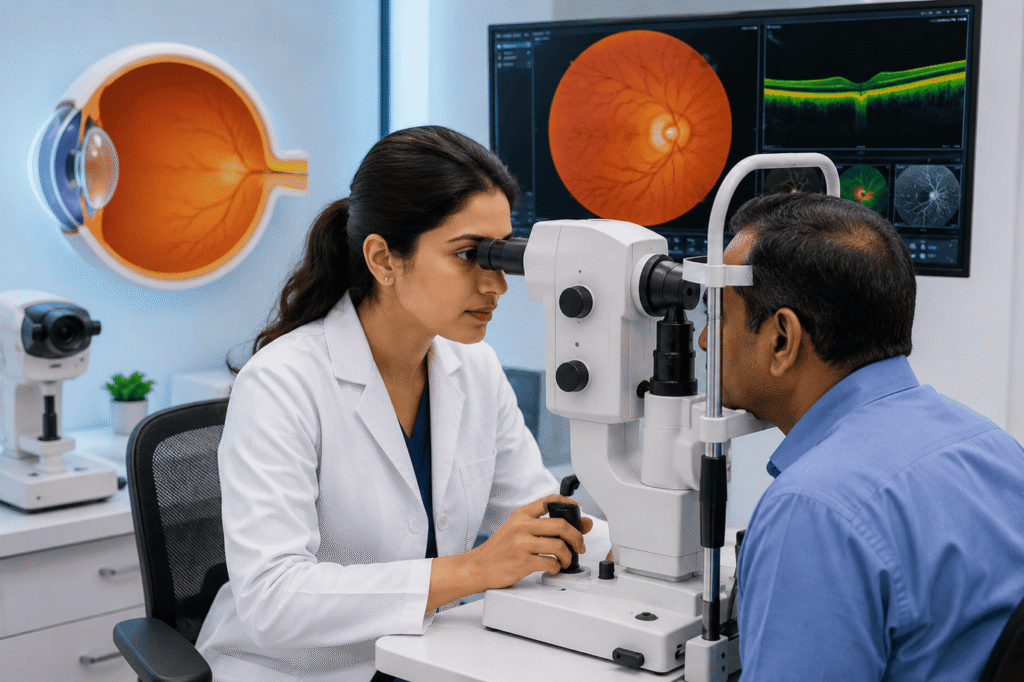
Optical Coherence Tomography (OCT) is a non-invasive imaging test that provides detailed images of the retina and macula. It can help ophthalmologists identify retinal changes, assess conditions such as macular swelling, and monitor the response to treatment. OCT may be used alongside a comprehensive eye examination.


Treatment depends on the retinal condition and its severity. Depending on the diagnosis, management may include regular monitoring, intravitreal injections, retinal laser treatment, or vitreoretinal surgery such as vitrectomy. Your retina specialist will recommend the appropriate treatment after examination and diagnostic testing.


People with diabetes should have regular comprehensive eye examinations because diabetic retinopathy can develop before noticeable vision changes occur. The appropriate examination schedule depends on the individual’s diabetes, retinal findings, and advice from their eye specialist.


You should arrange an eye examination if you experience new or increasing floaters, flashes of light, blurred or distorted vision, reduced central or peripheral vision, or sudden changes in eyesight. If you notice flashes, many new floaters, or a curtain-like shadow over your vision, seek urgent eye-care evaluation because these can be warning signs of retinal detachment.

Book Your Appointment Now!!

    Contacts