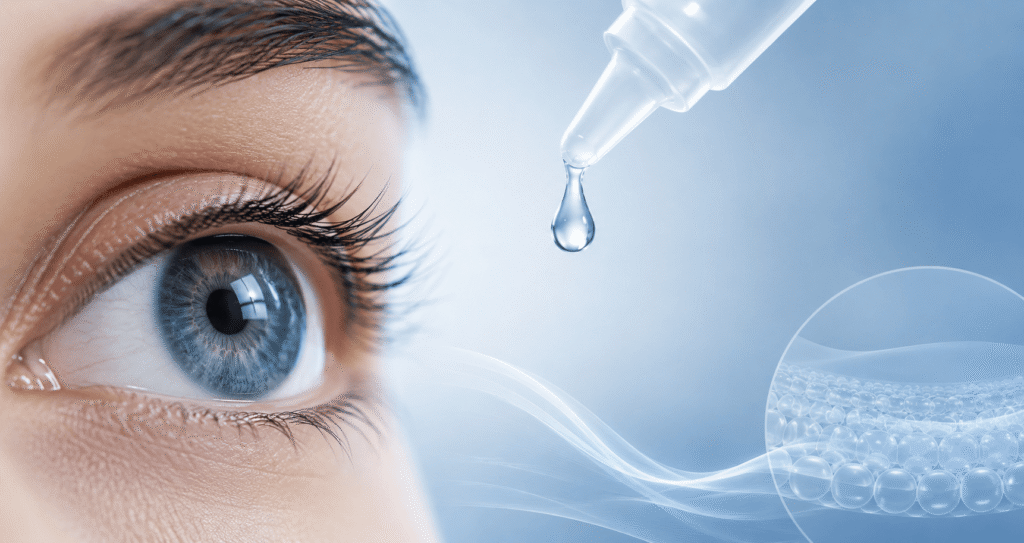

What is Dry Eye Disease?
Dry eye disease is a common condition affecting the tear film and surface of the eye. It can occur when the eyes do not produce enough tears or when tears evaporate too quickly or do not maintain a healthy tear film. This can lead to irritation and, in some cases, blurred or fluctuating vision.
Relief from Dryness & Irritation
Soothe dryness, burning, grittiness, redness, and everyday eye discomfort with appropriate dry eye care.
Advanced Dry Eye Evaluation
Detailed assessment of tear production, tear-film stability, eyelids, and the ocular surface to identify contributing factors.
Personalized Dry Eye Treatment
Treatment is tailored to the underlying cause and severity of your dry eye for more comfortable, healthier eyes.
Digital Eye Strain Care
Guidance for managing screen-related eye discomfort and reducing factors that can contribute to dry eye.
Types of Dry Eye Disease
Dry eye treatment is personalized according to the underlying cause, severity, tear-film condition, and ocular surface health. Treatment may range from lubricating eye drops and eyelid care to prescription medicines and procedures that help retain or improve the tear film.
Artificial Tears & Lubricating Drops
Artificial tears help supplement the natural tear film and provide relief from dryness, burning, irritation, and gritty sensations. Preservative-free options may be recommended for frequent use.
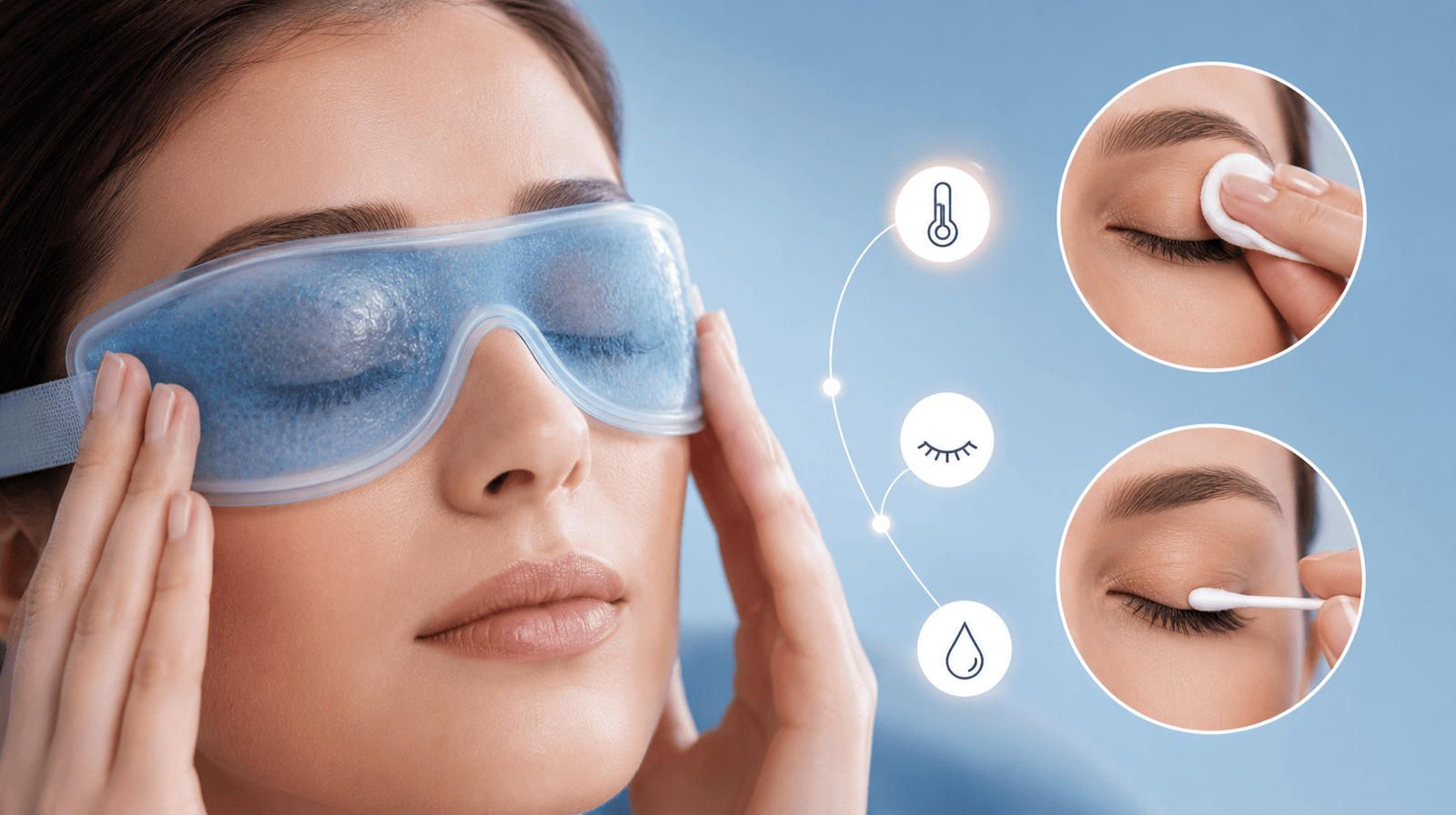
Warm Compress & Eyelid Care
Warm compresses, gentle eyelid massage, and appropriate lid hygiene can help manage eyelid and meibomian gland problems that contribute to evaporative dry eye.
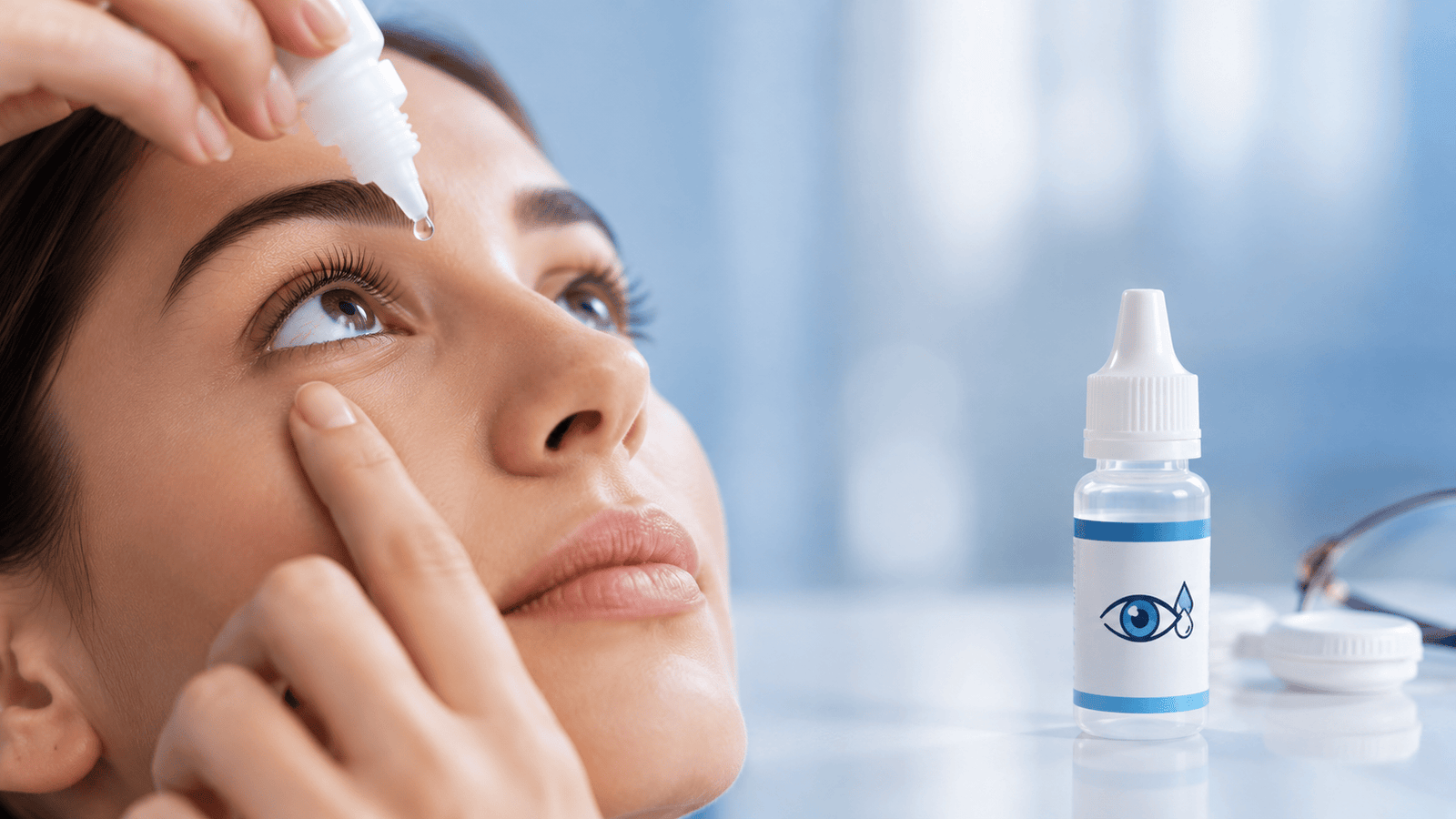
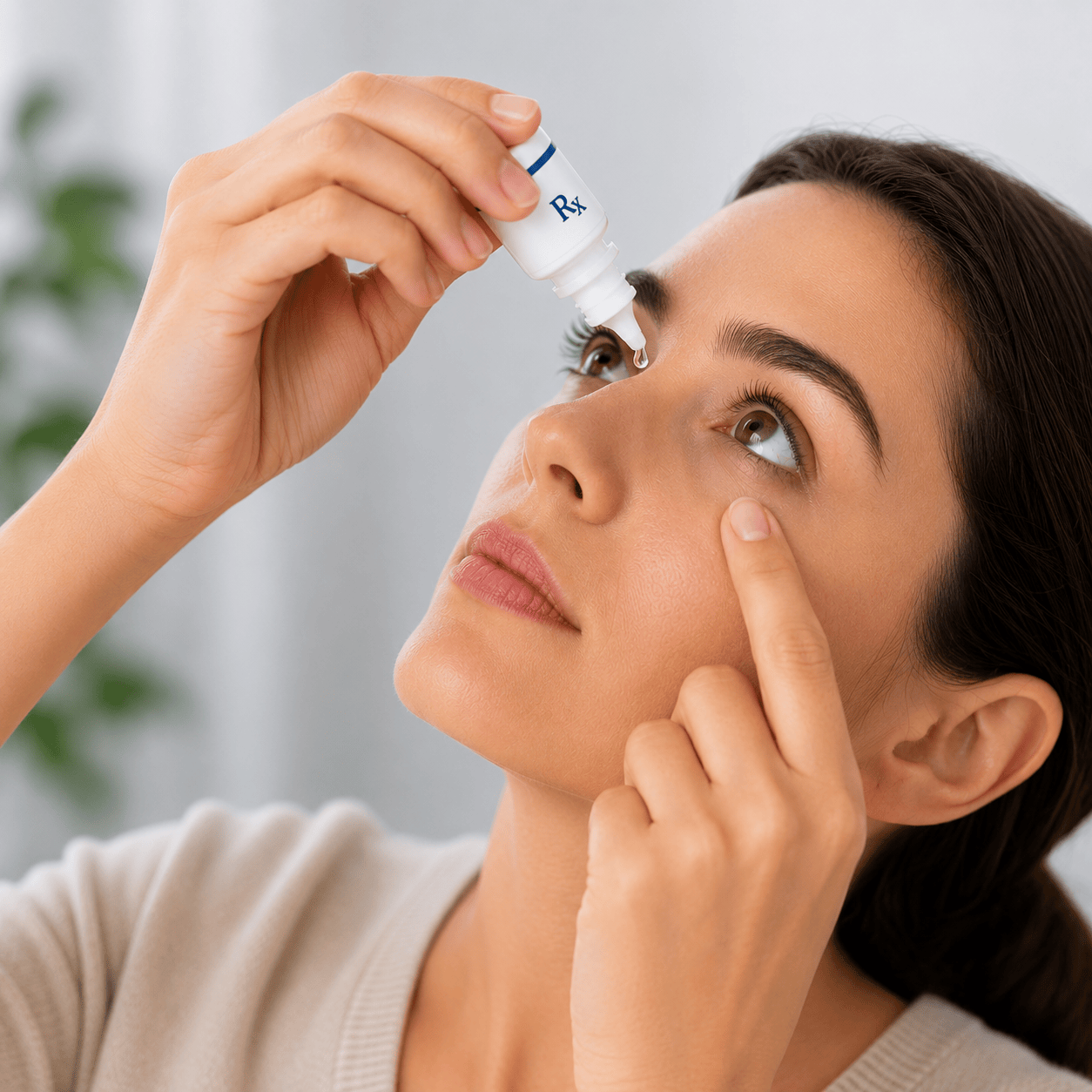
Prescription Eye Drops
Prescription eye drops may be recommended when inflammation or reduced tear production contributes to dry eye. Your ophthalmologist will select treatment based on your individual condition.
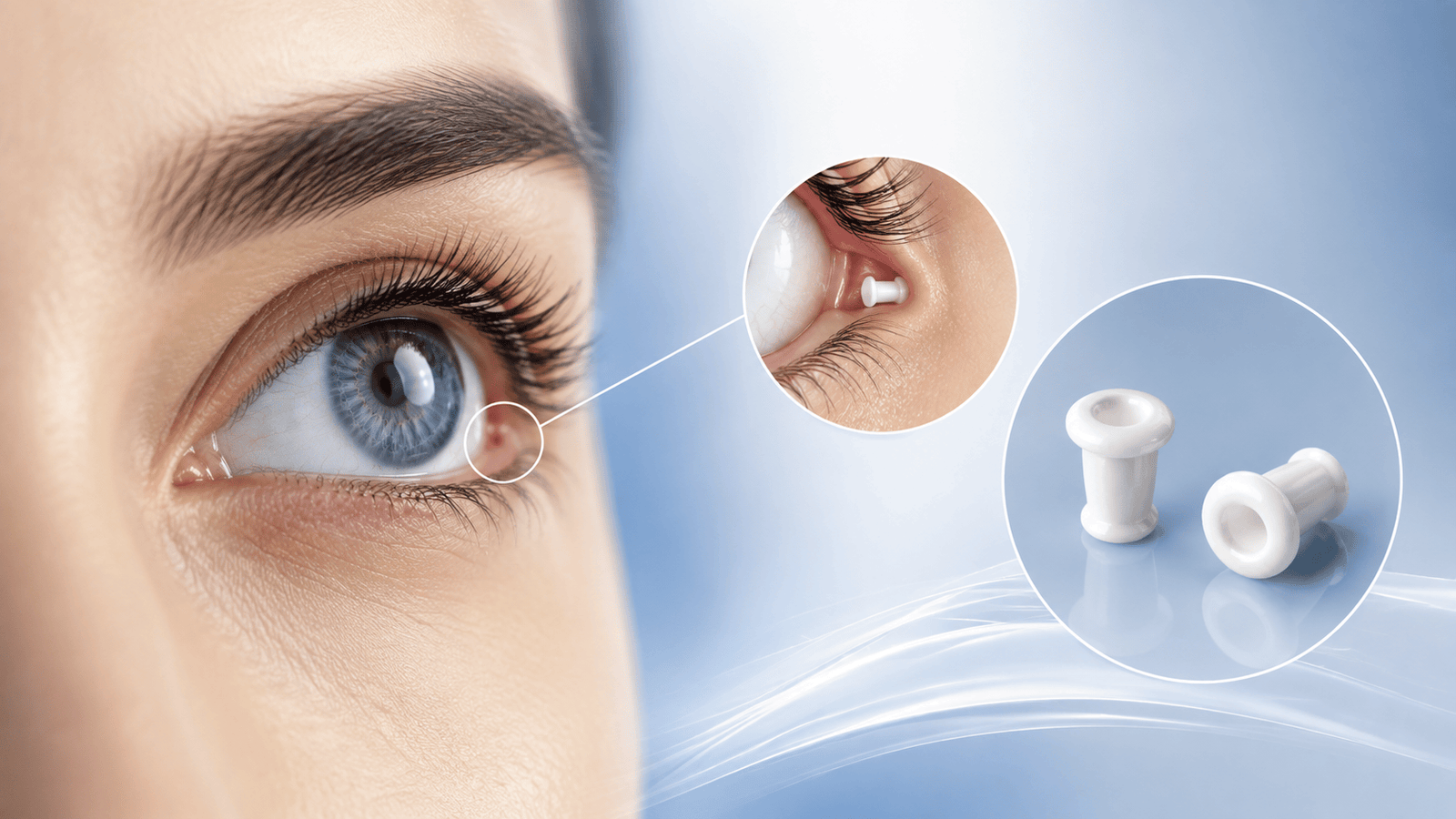
Punctal Plugs
Tiny plugs can be placed in the tear drainage openings to slow tear drainage and help natural tears remain on the eye surface for longer. They may be considered for selected patients with dry eye.

Symptoms of Dry Eye Dieases
Dry eye can cause a range of uncomfortable symptoms that may become more noticeable during prolonged screen use, reading, or exposure to dry and windy environments. Recognizing persistent symptoms can help you seek appropriate eye care.
Dryness & Grittiness
A persistent dry, gritty, or scratchy feeling in the eyes, sometimes described as feeling like something is stuck in the eye.Burning & Stinging
Burning, stinging, or irritation may occur when the eye surface does not remain adequately lubricated.Red or Irritated Eyes
Dry eye may cause redness and irritation, particularly after prolonged reading, screen use, or exposure to air conditioning or wind.Excessive Watering
Surprisingly, dry eye can sometimes cause excessive watering as the eyes respond to irritation by producing reflex tears.Blurred or Fluctuating Vision
Dry eye can cause temporary blurred or fluctuating vision, particularly during activities that require prolonged visual concentration.Light Sensitivity
Some people with dry eye may experience increased sensitivity or discomfort when exposed to bright light.Advanced Dry Eye Treatment at Deshpande Eye Hospital
Dry eye treatment depends on its underlying cause, severity, symptoms, and the condition of the ocular surface. Your ophthalmologist may recommend one or a combination of treatments.
Artificial Tears
Warm Compresses & Lid Care
Prescription Eye Drops

Punctal Plugs
Meibomian Gland Treatment
Frequently Asked Questions
Can excessive watering be a sign of dry eye?
Yes. Dry eye can sometimes cause watery eyes because irritation on the eye surface triggers reflex tearing. However, these reflex tears may not provide the stable tear film needed to keep the eyes comfortable.
Can prolonged screen time cause dry eyes?
Prolonged use of computers, smartphones, and other digital screens can contribute to dry eye because people tend to blink less while concentrating on screens. Reduced blinking can increase tear evaporation and eye discomfort.
How is dry eye diagnosed?
A dry eye evaluation may include an examination of the eye surface, eyelids, and tear film, along with tests that assess tear production and tear-film stability. Depending on your symptoms, your ophthalmologist may recommend tests such as Schirmer’s test or tear break-up time.
What are the treatment options for dry eye?
Treatment depends on the underlying cause and severity. Options may include lubricating eye drops, eyelid and warm-compress care, prescription medications, treatment of meibomian gland dysfunction, and tear-conserving treatments such as punctal plugs. Your ophthalmologist can recommend the appropriate combination after evaluation.
Can dry eye be permanently cured?
Dry eye is often a long-term condition that can be effectively managed, but whether symptoms completely resolve depends on the underlying cause. Identifying and treating contributing factors can help improve comfort and maintain a healthier ocular surface.
Can contact lenses make dry eye worse?
Yes. Contact lens wear can contribute to or aggravate dry-eye symptoms in some people. If you experience persistent dryness, irritation, or fluctuating vision while wearing contact lenses, an eye examination can help determine the cause and appropriate management.
When should I see an eye doctor for dry eye?
You should consider an eye examination if dryness, burning, redness, irritation, excessive watering, or fluctuating vision persists or interferes with your daily activities. Significant eye pain, marked redness, or a noticeable change in vision should receive prompt medical attention.
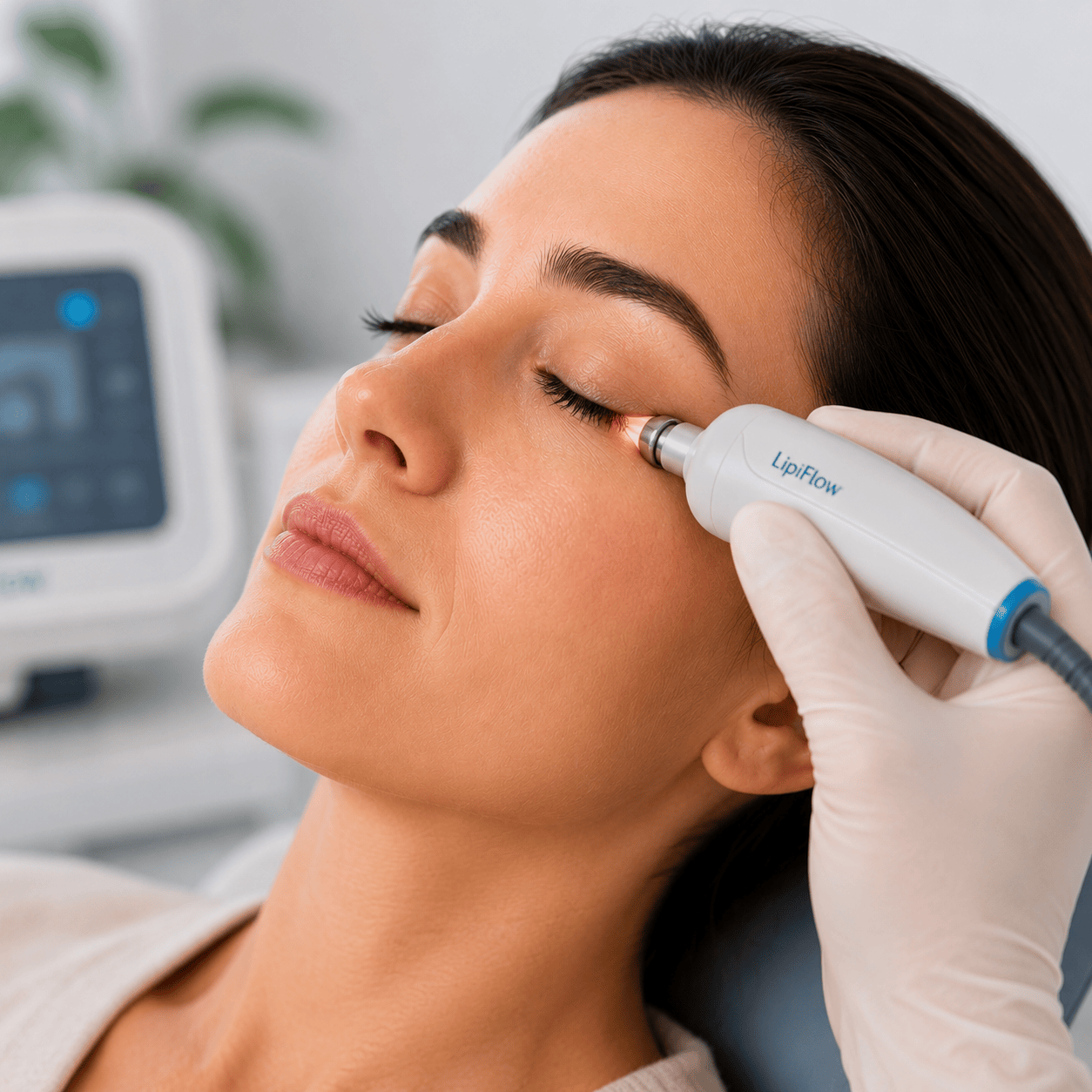
What is Meibomian Gland Dysfunction (MGD)?
Meibomian Gland Dysfunction is a common condition in which the oil-producing glands in the eyelids do not function properly. It can increase tear evaporation and contribute to dry eye symptoms such as burning, irritation, redness, and fluctuating vision.
Can dry eye cause blurred or fluctuating vision?
Yes. An unstable tear film can temporarily affect the smooth optical surface of the eye, resulting in blurred or fluctuating vision. Vision may become less clear during prolonged reading, screen use, or activities that reduce blinking.
How can I prevent or reduce dry eye symptoms?
Helpful measures may include taking regular breaks during prolonged screen use, blinking frequently, avoiding direct airflow from fans or air conditioners, managing contact-lens wear appropriately, and following your eye specialist’s recommended treatment plan. Persistent symptoms should be evaluated by an eye-care professional.