
In today’s digital world, many of us spend hours using computers, smartphones, tablets, and other digital devices. While technology has made life more convenient, prolonged screen time has also contributed to a growing eye health concern—Dry Eye Disease. This common condition affects people of all ages and can cause discomfort, irritation, blurred vision, and reduced quality of life.
Although dry eyes may seem like a minor problem, untreated symptoms can interfere with work, reading, driving, and daily activities. Fortunately, with early diagnosis and proper treatment, dry eye symptoms can be effectively managed.
At Deshpande Eye Hospital & Laser Center, we provide comprehensive evaluation and personalized treatment for Dry Eye Disease using advanced diagnostic techniques and evidence-based treatment plans to improve eye comfort and protect long-term eye health.
What is Dry Eye Disease?
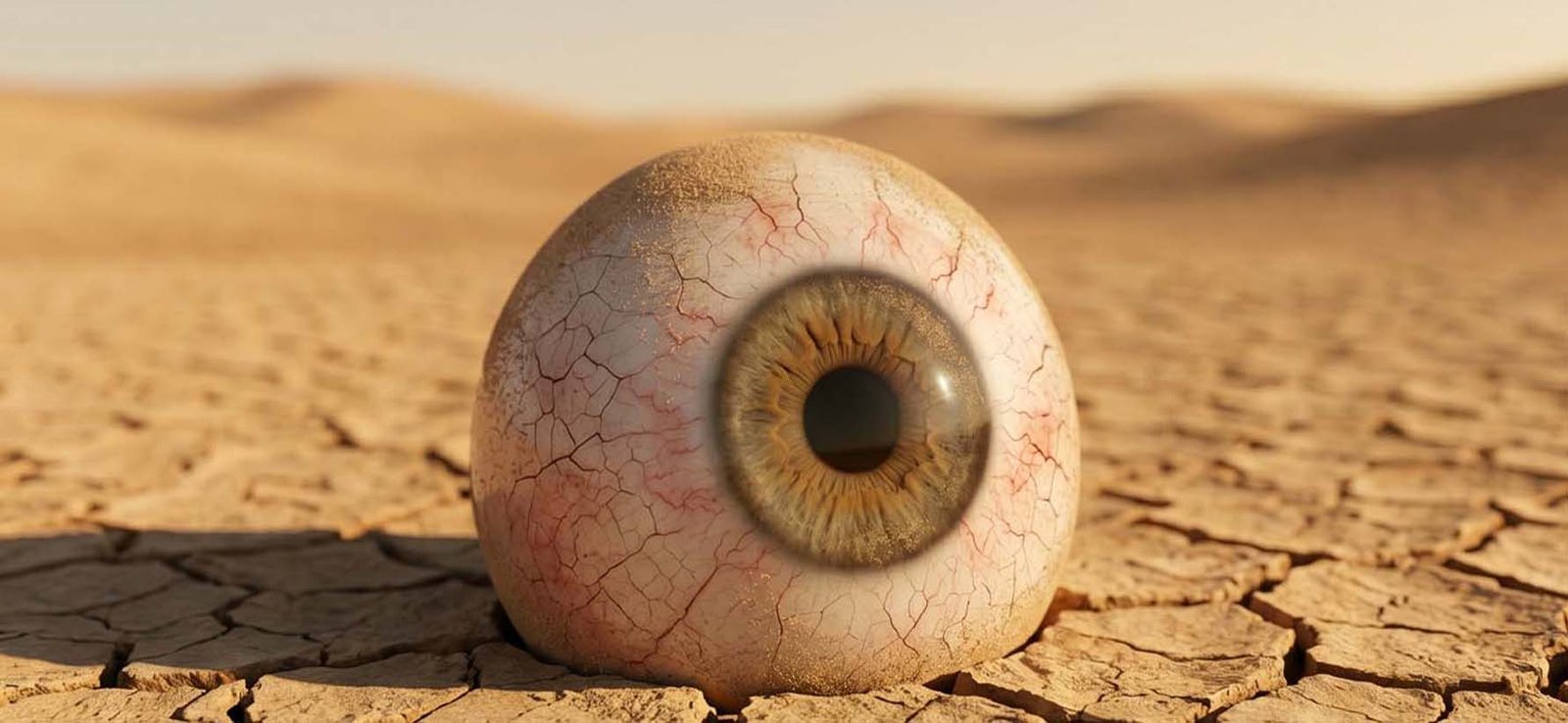
Dry Eye Disease occurs when your eyes do not produce enough tears or when the tears evaporate too quickly. Tears are essential for keeping the surface of the eye smooth, comfortable, and healthy. They help lubricate the eyes, wash away dust and debris, and provide nutrients to the cornea.
When the tear film becomes unstable, the eyes may become dry, irritated, and inflamed.
Common Causes of Dry Eyes
Dry eyes can result from several factors, including:
Prolonged Screen Time
When using digital devices, people tend to blink less frequently. Reduced blinking causes tears to evaporate faster, leading to dryness.
Ageing
Natural tear production decreases with age, making dry eyes more common in older adults.
Environmental Factors
Exposure to air conditioning, fans, smoke, pollution, dust, or windy weather can increase tear evaporation.
Contact Lens Use
Wearing contact lenses for long periods may contribute to dry eye symptoms.
Medical Conditions
Conditions such as diabetes, thyroid disorders, rheumatoid arthritis, and certain autoimmune diseases may increase the risk of Dry Eye Disease.
Medications
Some medications, including antihistamines, antidepressants, blood pressure medications, and certain acne treatments, can reduce tear production.
Symptoms of Dry Eyes
Dry Eye Disease can affect one or both eyes. Common symptoms include:
Dryness or irritation
Burning or stinging sensation
Redness of the eyes
Itching
Gritty or sandy feeling
Excessive watering (reflex tearing)
Blurred vision
Sensitivity to light
Eye fatigue
Difficulty wearing contact lenses
If these symptoms persist, consult an ophthalmologist for a comprehensive evaluation.
Who is at Risk?
Dry Eye Disease can affect anyone, but the risk is higher for:
People over 50 years of age
Frequent computer and smartphone users
Office workers
Contact lens users
Women, especially after menopause
Individuals with diabetes or autoimmune diseases
People exposed to air-conditioned environments for long periods.
How is Dry Eye Disease Diagnosed?
At Deshpande Eye Hospital & Laser Center, our specialists perform a detailed eye examination to determine the cause and severity of dry eyes.
Your evaluation may include:
Comprehensive eye examination
Medical history review
Tear film assessment
Tear production tests
Corneal surface evaluation
Eyelid and meibomian gland assessment
Fluorescein staining to detect surface damage
These tests help us develop a personalized treatment plan based on your specific condition.
Treatment Options
Treatment depends on the underlying cause and severity of Dry Eye Disease.
Artificial Tears
Lubricating eye drops help keep the eyes moist and relieve discomfort.
Prescription Medications
Certain medications may help reduce inflammation and improve tear production when appropriate.
Warm Compresses and Eyelid Hygiene
Regular eyelid cleaning and warm compresses can improve the function of the oil glands in the eyelids.
Lifestyle Modifications
Simple changes such as taking screen breaks, staying hydrated, and using a humidifier can significantly improve symptoms.
Management of Underlying Conditions
Treating conditions such as diabetes or eyelid disorders can also improve dry eye symptoms.
Our ophthalmologists recommend the most suitable treatment after a thorough evaluation.
Tips to Prevent Dry Eyes:-
You can reduce your risk of Dry Eye Disease by following these simple habits:
Follow the 20-20-20 rule: Every 20 minutes, look at something 20 feet away for 20 seconds.
Blink frequently while using digital devices.
Stay well hydrated throughout the day.
Wear sunglasses outdoors to protect against wind and dust.
Avoid direct air from fans or air conditioners blowing into your eyes.
Maintain good eyelid hygiene.
Schedule regular eye examinations.
These preventive measures can greatly improve eye comfort, especially for people who spend long hours on screens.
Why Choose Deshpande Eye Hospital & Laser Center?
At Deshpande Eye Hospital & Laser Center, we understand that every patient’s eyes are unique. We provide personalized dry eye care using advanced diagnostic methods and evidence-based treatments.
Our services include:
Comprehensive dry eye evaluation
Advanced diagnostic technology
Individualized treatment plans
Experienced ophthalmologists
Long-term follow-up and patient education
Compassionate, patient-centred care
Our goal is to help you enjoy comfortable vision and healthier eyes every day.


Leave A Comment