
Vision is one of our most valuable senses, yet many eye diseases develop silently without causing noticeable symptoms. Glaucoma is one such condition and is often referred to as the “Silent Thief of Sight” because it can gradually damage the optic nerve without warning. If left untreated, glaucoma can lead to permanent vision loss and even blindness. The good news is that with early diagnosis, regular monitoring, and appropriate treatment, glaucoma can often be managed successfully, helping patients preserve their vision and maintain a good quality of life.
At Deshpande Eye Hospital & Laser Center, we are committed to protecting your eyesight through comprehensive glaucoma screening, advanced diagnostic technology, and personalized treatment plans. Our experienced ophthalmologists focus on early detection and long-term management to prevent irreversible vision loss.
What is Glaucoma?
Glaucoma is a group of eye diseases that damage the optic nerve, which carries visual information from the eye to the brain. In many cases, this damage is associated with increased intraocular pressure (IOP), commonly known as eye pressure. However, glaucoma can also occur even when eye pressure is within the normal range.
Since optic nerve damage cannot be reversed, early diagnosis is essential. Regular eye examinations play a crucial role in detecting glaucoma before significant vision loss occurs.
Types of Glaucoma
Primary Open-Angle Glaucoma
The most common type of glaucoma. It develops slowly over time and usually has no noticeable symptoms in the early stages.
Angle-Closure Glaucoma
This type occurs suddenly when the drainage angle inside the eye becomes blocked, causing a rapid increase in eye pressure. It is a medical emergency that requires immediate treatment.
Normal-Tension Glaucoma
Some patients develop optic nerve damage even though their eye pressure remains within the normal range.
Secondary Glaucoma
This form of glaucoma develops due to another eye condition, injury, inflammation, prolonged steroid use, or certain medical conditions.
Congenital Glaucoma
A rare condition present at birth that affects infants and young children and requires specialized treatment.
Symptoms of Glaucoma
In its early stages, glaucoma often causes no pain or noticeable symptoms, which is why regular eye check-ups are so important.
As the disease progresses, symptoms may include:
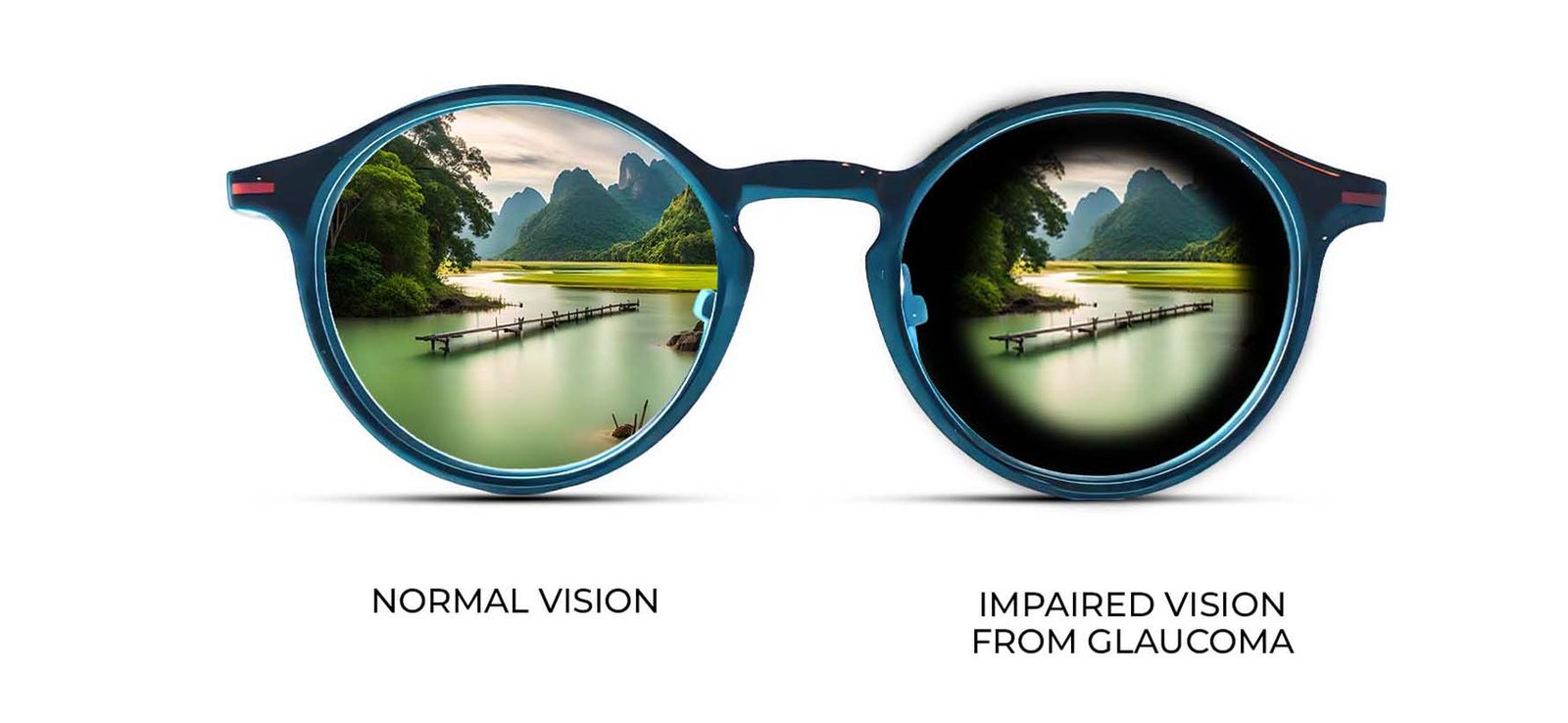
Gradual loss of peripheral (side) vision
Blurred vision
Difficulty seeing in low light
Halos around lights
Eye pain (especially in acute glaucoma)
Redness of the eye
Severe headache
Nausea and vomiting (in angle-closure glaucoma)
Tunnel vision in advanced stages
If you experience sudden eye pain, blurred vision, or halos around lights, seek immediate medical attention.
Who is at Risk?
Anyone can develop glaucoma, but the risk is higher if you:
Are over 40 years of age
Have a family history of glaucoma
Have diabetes or high blood pressure
Have high eye pressure
Use steroid medications for a prolonged period
Have experienced an eye injury
Are highly nearsighted or farsighted
Regular screening is especially important for individuals with these risk factors.
How is Glaucoma Diagnosed?
At Deshpande Eye Hospital & Laser Center, we use advanced diagnostic technology to detect glaucoma accurately. Your eye examination may include:
Comprehensive eye examination
Intraocular pressure (IOP) measurement
Optic nerve evaluation
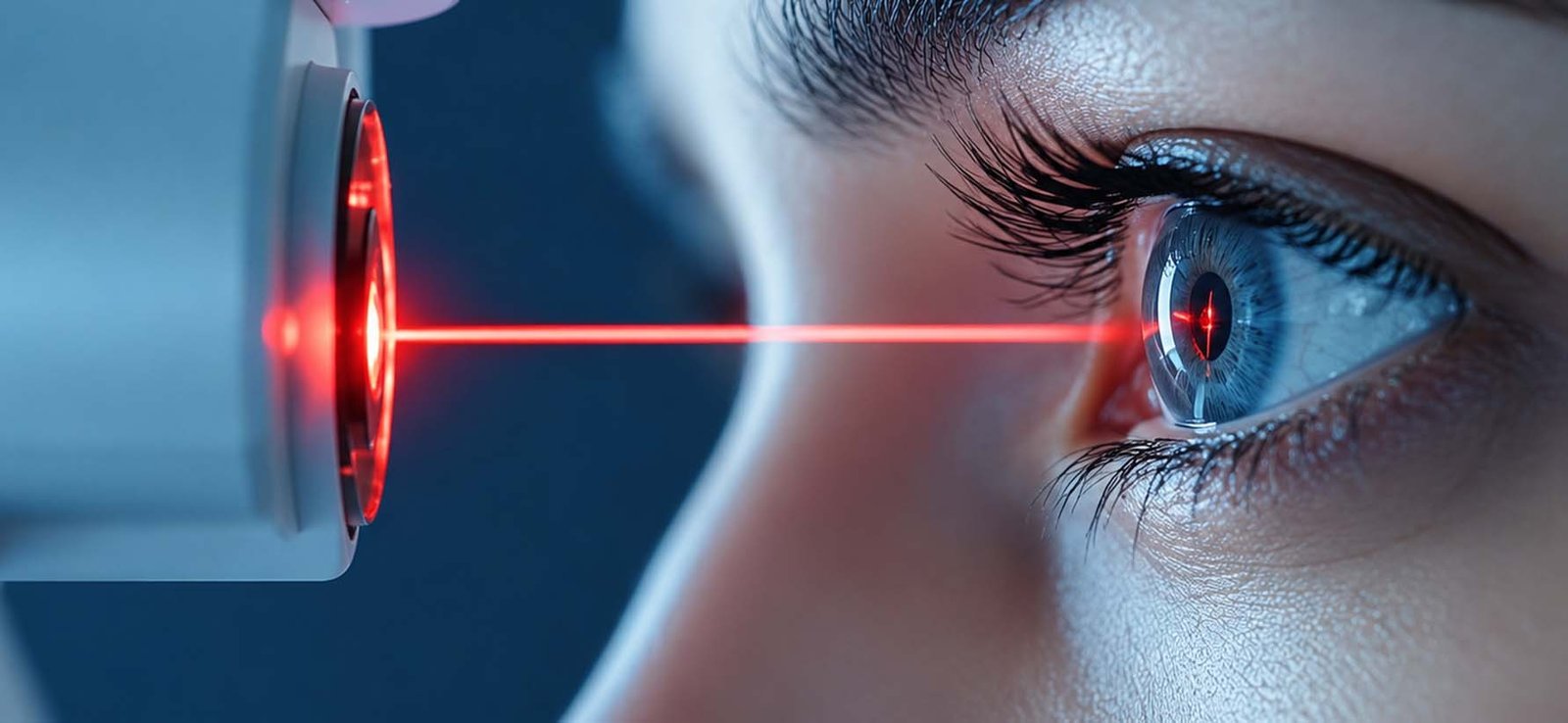
Visual field testing
Optical Coherence Tomography (OCT)
Gonioscopy (to examine the drainage angle)
Corneal thickness measurement (Pachymetry)
These tests help our specialists diagnose glaucoma early and determine the most effective treatment plan.
Treatment Options
Although glaucoma cannot be cured, it can usually be controlled with timely treatment.
Eye Drops
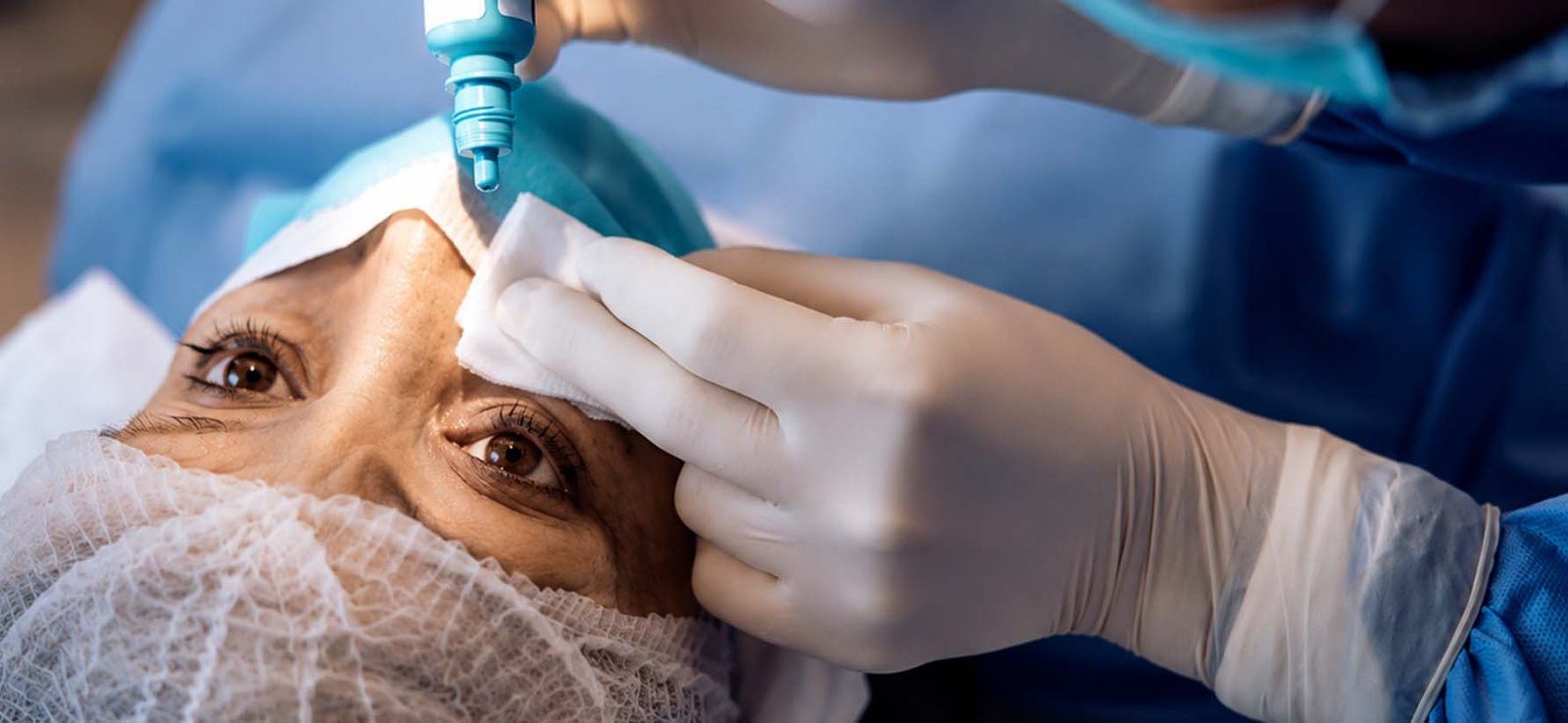
Prescription eye drops are often the first line of treatment to reduce eye pressure and protect the optic nerve.
Oral Medications
In certain cases, medications may be prescribed to help lower intraocular pressure.
Laser Treatment
Laser procedures can improve fluid drainage within the eye and help reduce pressure.
Glaucoma Surgery
For patients whose eye pressure cannot be controlled with medication or laser treatment, surgery may be recommended to create a new drainage pathway and protect vision.
Our specialists develop an individualized treatment plan based on the type and severity of glaucoma.
Can Glaucoma Be Prevented?
While glaucoma cannot always be prevented, its progression can often be slowed with early detection and proper management.
You can help protect your vision by:
Scheduling regular comprehensive eye examinations
Following your treatment plan carefully
Using prescribed medications consistently
Managing diabetes and blood pressure
Avoiding self-medication with steroid eye drops
Informing your ophthalmologist about any family history of glaucoma
Routine eye screening is one of the most effective ways to detect glaucoma before symptoms develop.
Why Choose Deshpande Eye Hospital & Laser Center?
At Deshpande Eye Hospital & Laser Center, we combine clinical expertise with advanced diagnostic technology to provide comprehensive glaucoma care.
Our patients benefit from:
Experienced glaucoma specialists
Advanced diagnostic investigations
Early detection and accurate diagnosis
Personalized treatment plans
Medical, laser, and surgical treatment options
Regular monitoring and follow-up care
Compassionate, patient-focused service
Our goal is to preserve your vision and help you enjoy a better quality of life through comprehensive glaucoma management.


Leave A Comment