
Vision plays an essential role in our daily lives, allowing us to work, learn, drive, and enjoy the world around us. However, as we age, the natural lens of the eye gradually becomes cloudy, leading to a common condition known as cataract. Cataracts are one of the leading causes of vision impairment worldwide, but they are also one of the most treatable eye conditions. With modern medical advancements, cataract surgery has become a safe, effective, and highly successful procedure that restores clear vision and improves quality of life.
At Deshpande Eye Hospital & Laser Center, we provide advanced cataract diagnosis, personalized treatment planning, and state-of-the-art cataract surgery to help patients regain sharp, comfortable vision with confidence.
What is a Cataract?
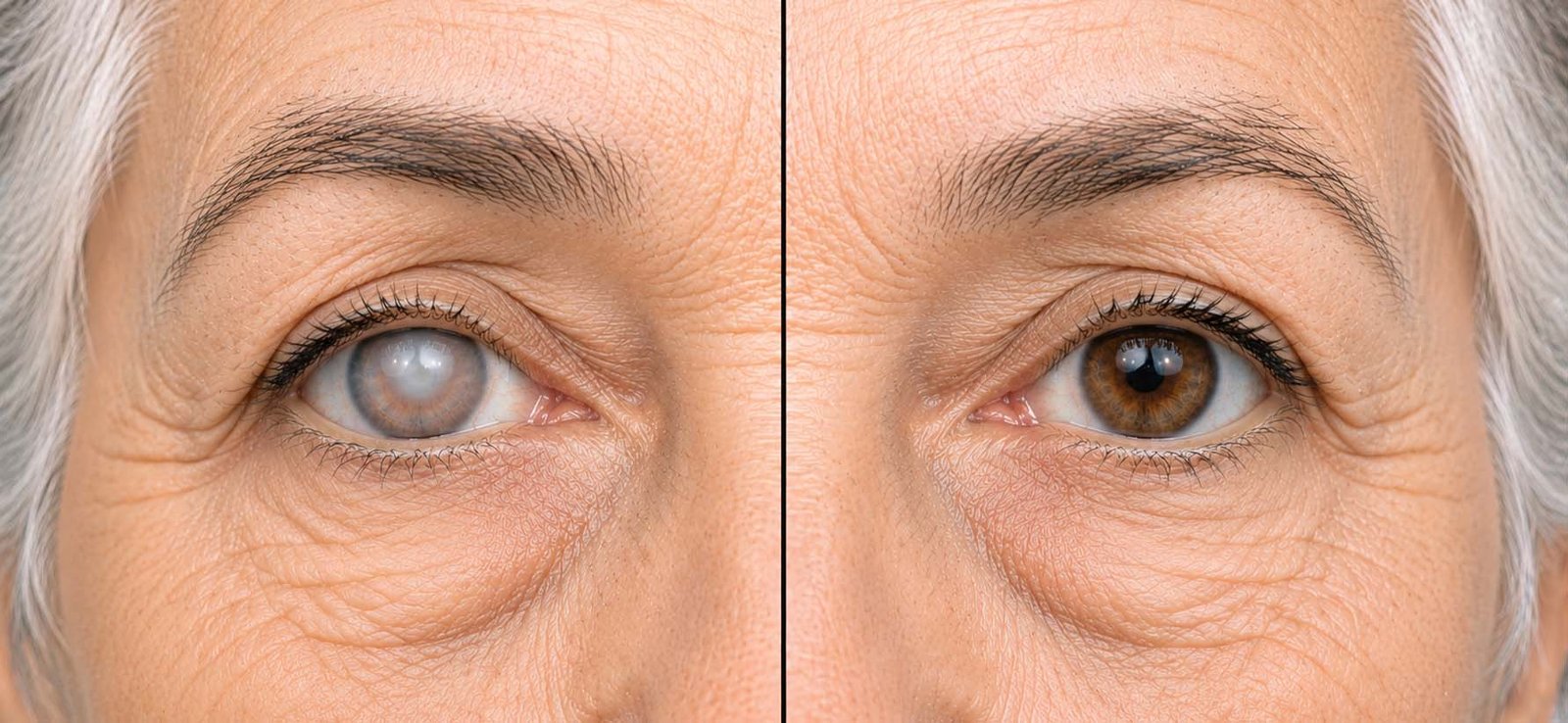
A cataract is a condition in which the natural lens inside the eye becomes cloudy. Normally, this lens focuses light onto the retina, allowing us to see clearly. As the lens becomes cloudy, light cannot pass through properly, causing blurred or dim vision.
Cataracts usually develop slowly over time and are most commonly associated with aging. However, they may also occur due to diabetes, eye injuries, prolonged steroid use, certain medical conditions, or congenital (birth-related) factors.
Without timely treatment, cataracts can gradually interfere with everyday activities such as reading, driving, watching television, or recognizing faces.
Common Symptoms of Cataracts
Cataracts often develop gradually, making it difficult to notice the early signs. Some of the most common symptoms include:
- Blurred or cloudy vision
- Difficulty seeing at night
- Increased sensitivity to bright lights and glare
- Halos around lights
- Frequent changes in spectacle prescription
- Faded or dull colour perception
- Double vision in one eye
- Difficulty reading or performing close-up tasks
- Reduced contrast sensitivity
If you experience any of these symptoms, it is advisable to schedule a comprehensive eye examination with an ophthalmologist.
What Causes Cataracts?
Several factors contribute to cataract formation, including:
Ageing
Natural ageing is the most common cause of cataracts. Proteins in the eye’s lens gradually break down, causing the lens to become cloudy.
Diabetes
People with diabetes have a higher risk of developing cataracts earlier than others.
Eye Injury
Previous eye trauma or surgery may increase the likelihood of cataract formation.
Long-Term Steroid Use
Prolonged use of corticosteroid medications may accelerate cataract development.
UV Exposure
Continuous exposure to ultraviolet (UV) rays without proper eye protection may contribute to cataracts.
Smoking & Alcohol
Smoking and excessive alcohol consumption increase the risk of age-related cataracts.
Family History
A genetic predisposition may also play a role in developing cataracts.
When Should You Consider Cataract Surgery?
Many people believe cataracts should become “fully mature” before surgery. This is a common myth.
Modern cataract surgery can be performed whenever cataracts begin interfering with your daily activities or reduce your quality of life.
You should consult an eye specialist if cataracts make it difficult to:
- Read books or newspapers
- Drive safely, especially at night
- Watch television comfortably
- Use digital devices
- Perform household activities
- Recognize faces clearly
Early surgery often leads to easier procedures and better visual outcomes.
How Are Cataracts Diagnosed?
At Deshpande Eye Hospital & Laser Center, cataracts are diagnosed through a comprehensive eye examination that may include:
- Visual acuity testing
- Slit-lamp examination
- Dilated retinal examination
- Intraocular pressure measurement
- Biometry for intraocular lens (IOL) selection
- Advanced diagnostic imaging when required
These investigations help determine the severity of the cataract and identify the most suitable treatment plan.
Modern Cataract Surgery
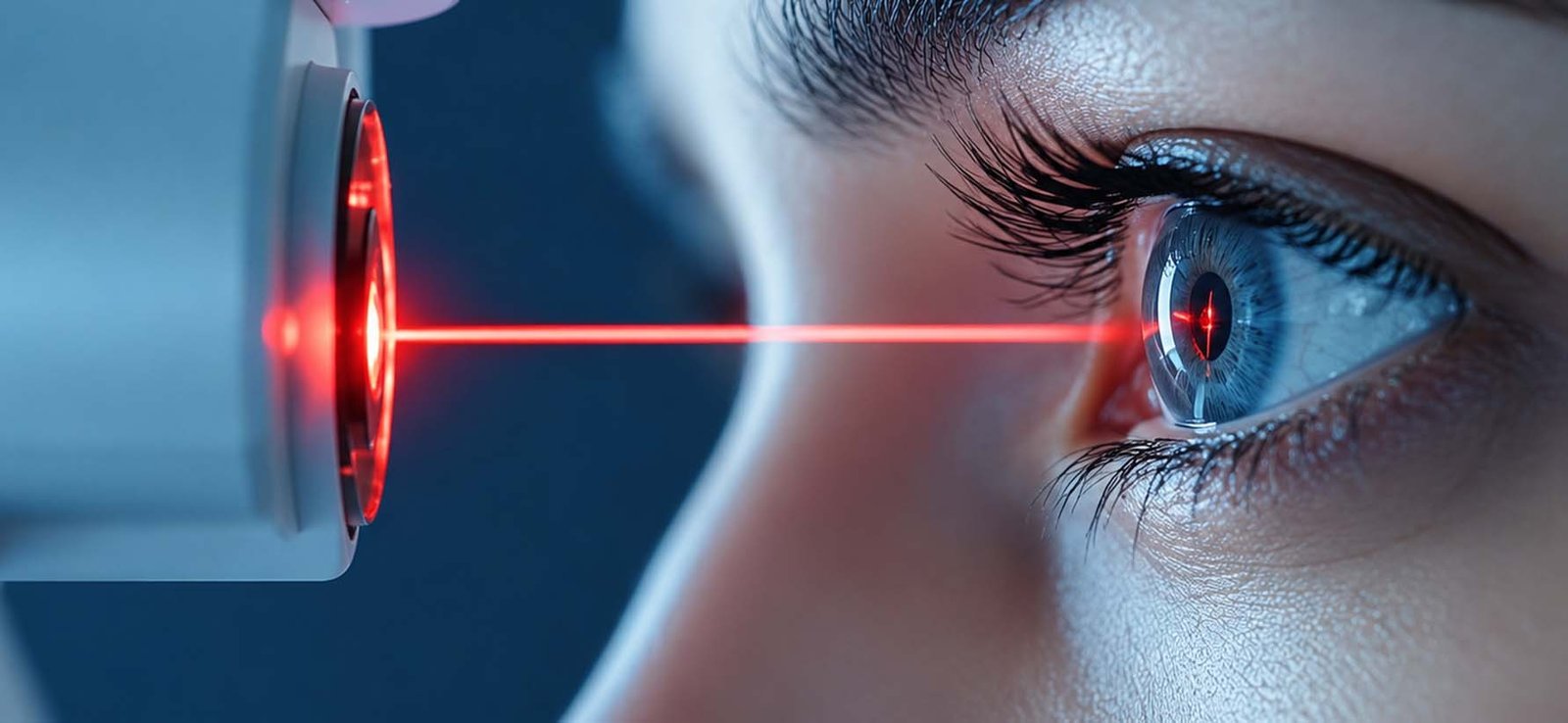
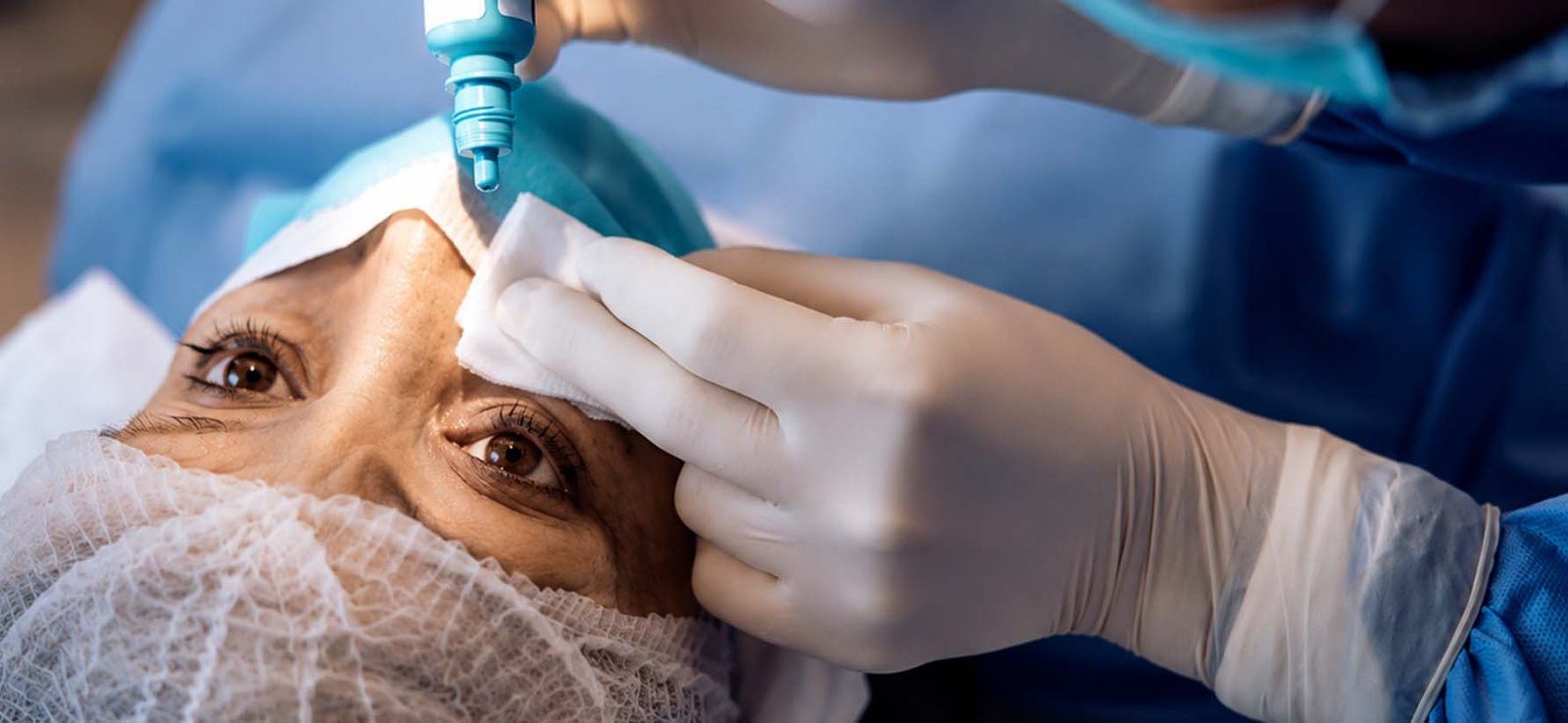
Cataract surgery is one of the safest and most successful surgical procedures performed today.
During the procedure:
- The cloudy natural lens is carefully removed.
- It is replaced with a clear Artificial Intraocular Lens (IOL).
- The surgery is generally painless.
- It usually takes 15–30 minutes.
- Most patients return home on the same day.
Types of Intraocular Lenses (IOLs)
Depending on your visual needs, your ophthalmologist may recommend:
Monofocal IOL
Provides excellent vision at one fixed distance.
Multifocal IOL
Allows clearer vision at both near and far distances.
Toric IOL
Corrects cataracts along with astigmatism.
Your eye specialist will recommend the most appropriate lens after evaluating your lifestyle and eye condition.
Benefits of Modern Cataract Surgery
Patients often experience significant improvements in vision and daily life, including:
- Clearer and brighter vision
- Improved colour perception
- Better night vision
- Reduced dependence on thick spectacles
- Enhanced confidence while driving
- Greater independence in daily activities
- Improved overall quality of life
Recovery After Cataract Surgery
Recovery is usually quick and comfortable.
Patients are advised to:
- Use prescribed eye drops regularly.
- Avoid rubbing the eyes.
- Protect the eye from dust and water for a few days.
- Wear protective glasses outdoors.
- Attend all scheduled follow-up appointments.
Most patients notice better vision within a few days, while complete healing may take a few weeks.
Can Cataracts Be Prevented?
Although age-related cataracts cannot always be prevented, you can reduce your risk by:
- Wearing UV-protective sunglasses.
- Controlling diabetes.
- Avoiding smoking.
- Eating a diet rich in fruits and green leafy vegetables.
- Maintaining regular eye examinations.
- Protecting your eyes from injury.
Why Choose Deshpande Eye Hospital & Laser Center?
At Deshpande Eye Hospital & Laser Center, we combine advanced technology with compassionate care to deliver exceptional cataract treatment.
Our commitment includes:
- Experienced ophthalmologists
- Advanced diagnostic equipment
- Modern cataract surgery techniques
- Premium intraocular lens options
- Personalized treatment plans
- Comprehensive pre- and post-operative care
- Patient-focused approach with ethical medical practices
We strive to restore vision safely, comfortably, and effectively while ensuring the highest standards of clinical excellence.
Conclusion
Cataracts are a common part of ageing, but they do not have to limit your lifestyle. Early diagnosis and timely treatment can restore clear vision and significantly improve your quality of life. If you or a loved one are experiencing blurred vision, difficulty seeing at night, or other symptoms of cataracts, do not delay an eye examination.
At Deshpande Eye Hospital & Laser Center, our experienced team is dedicated to helping you enjoy clearer vision through advanced cataract care and personalized treatment.


Leave A Comment